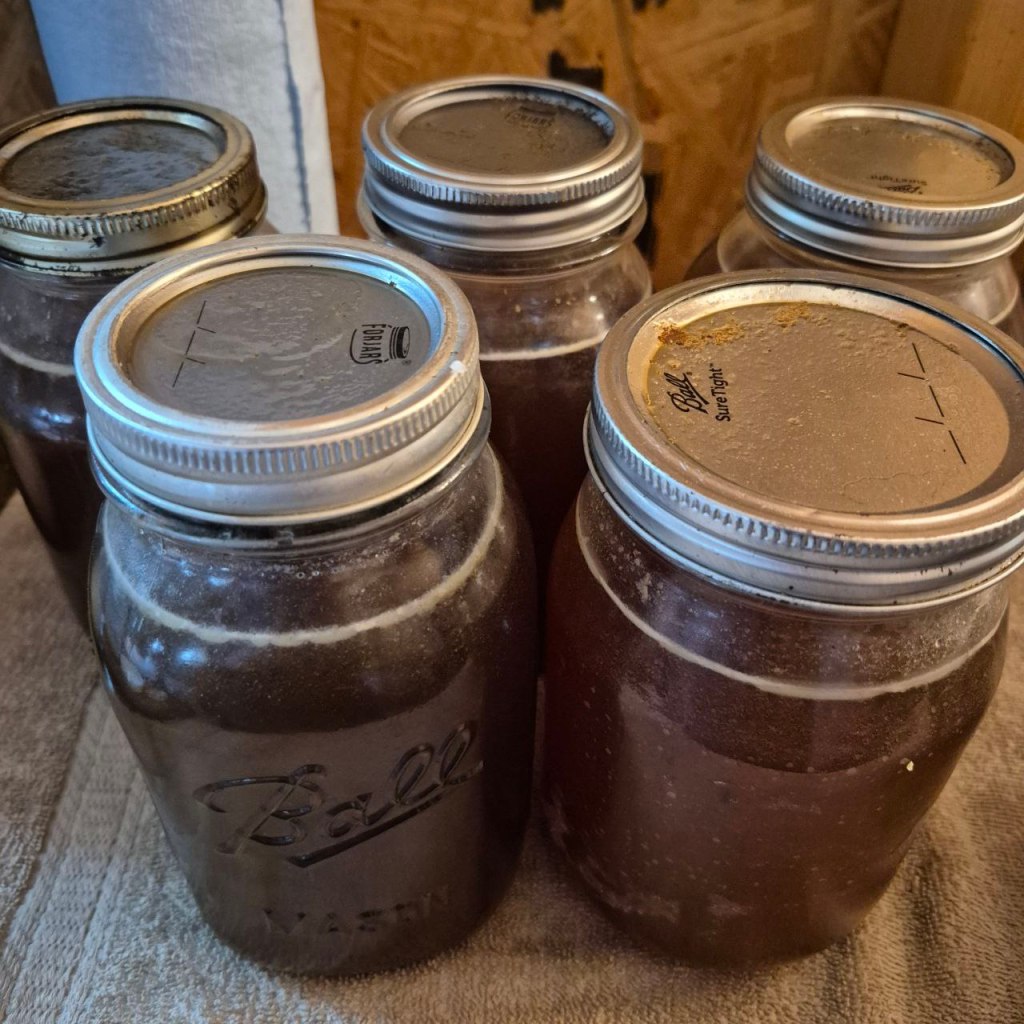
Bone broth is one of the most nutrient-dense foods you can preserve for your pantry shelves. When made with venison bones, it brings a deep flavor and is full of collagen, minerals, and marrow. Pressure canning makes it shelf-stable and ready to use anytime for soups, gravies, or sipping on its own.
This is not a recipe that has to be followed exactly, but simply what we did this time. Last time was different and next time will probably be different again. We ended up with enough broth to can 7 quarts, but obviously that depends on the amount of bones you start with and how strong you want it.
Ingredients
Deer bones, cut into smaller pieces (helps release marrow and collagen)
Water (enough to cover bones in stockpot, refill as needed)
1–2 garlic cloves
1 onion, quartered
A handful of carrot tops
A handful of radish tops
Fresh rosemary sprigs
Salt, to taste
A splash of vinegar (helps pull nutrients and minerals from the bones)
Instructions
Step 1: Prepare the Broth
Place cut deer bones in a large stockpot.
Add garlic, onion, carrot, radish tops, rosemary, salt, and vinegar.
Cover with water.
Bring to a boil, then reduce to a simmer. Let it cook long enough for the bones to release nutrients and flavor (at least 24 hours is ideal).
Step 2: Strain and Fill Jars
Strain broth through a fine strainer or cheesecloth to remove solids.
Ladle hot broth into clean, hot quart jars, leaving 1 inch headspace.
Step 3: Pressure Can
Wipe rims, apply lids and bands.
Place jars in pressure canner with 2–3 inches of simmering water. A splash of vinegar in the canner keeps hard water stains from forming.
Process at 10 pounds pressure (adjust for altitude if needed):
Quarts: 25 minutes
If you don’t have enough jars of broth to fill the canner, put some jars of water in to keep everything from rattling around.
Step 4: Cool and Store
Allow canner to depressurize naturally.
Remove jars and let them cool 24 hours without touching.
Check seals before storing. Keep in a cool, dark place.
Using Your Deer Bone Broth
This broth is versatile—use it as a base for venison stew, wild rice soup, or simply heat it with a little extra seasoning, if needed, and sip it warm.
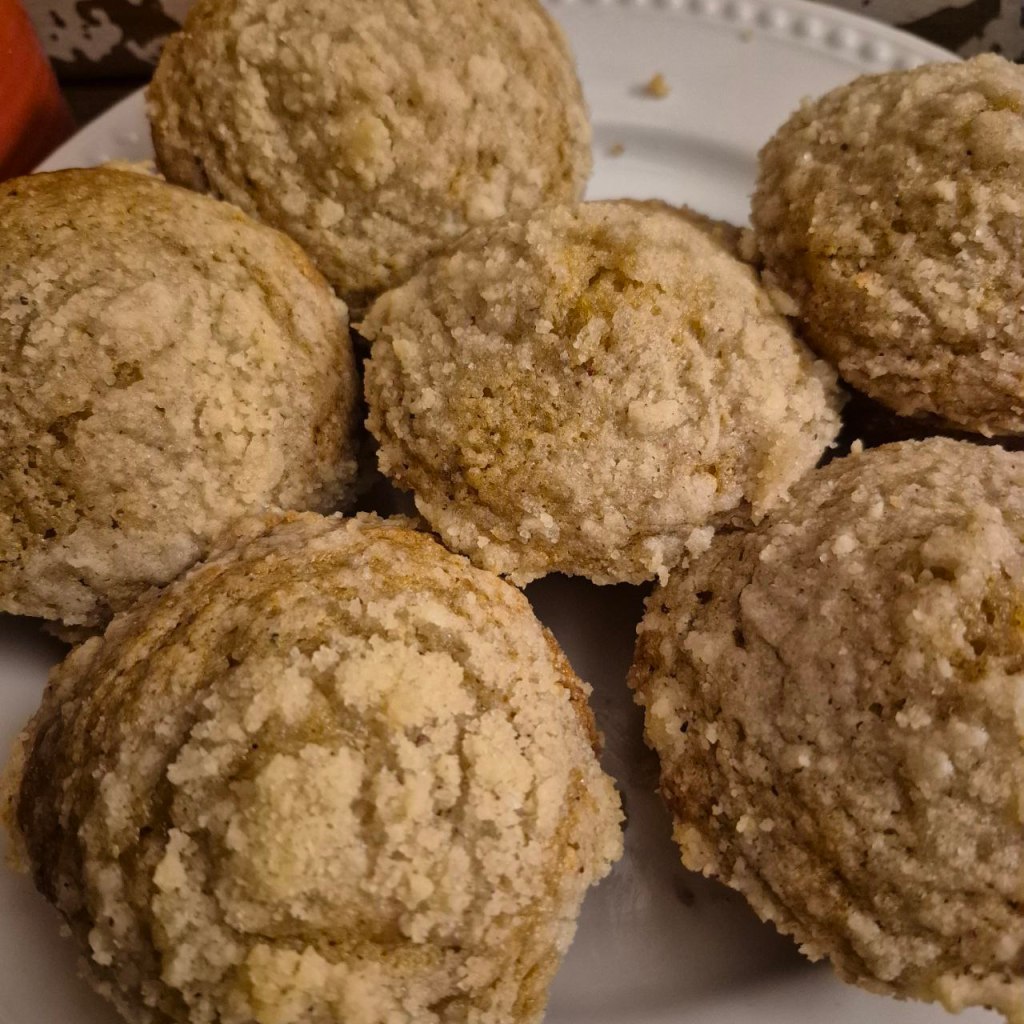
Maybe the cool weather is getting to me. Maybe I like pumpkin spice more than I thought. Whichever is the case, here’s a recipe I had to share. These muffins turned out so delicious I couldn’t keep them to myself.
Pumpkin Spice Muffins (24 muffins)
Ingredients
Dry:
3 ½ cups all-purpose flour
2 tsp baking soda
2 tsp baking powder
1 tsp salt
2 tsp cinnamon
2 tsp nutmeg
1/2 tsp ground ginger
1/2 tsp ground cloves
Wet:
2 cups canned pumpkin purée (NOT pumpkin pie filling)
1 cup granulated sugar
1 cup brown sugar, packed
1 cup sour cream
1 cup melted butter
4 large eggs
2 tsp vanilla extract
Streusel Topping
1 cup all-purpose flour
¾ cup granulated sugar (or half brown sugar, half white for deeper flavor)
1 tsp cinnamon
½ tsp nutmeg
½ cup cold unsalted butter, cubed
Instructions
Preheat oven to 350°F (175°C). Line 24 muffin cups with paper liners (or grease).
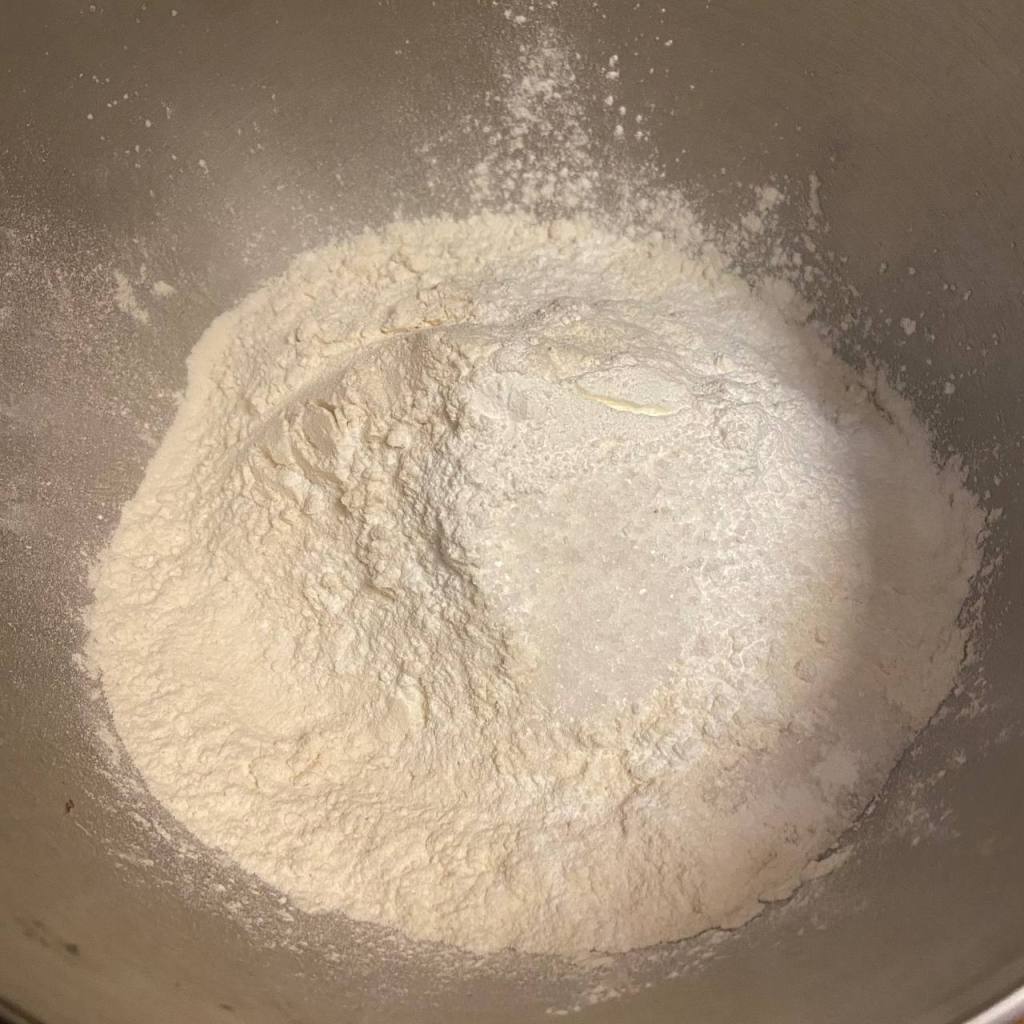
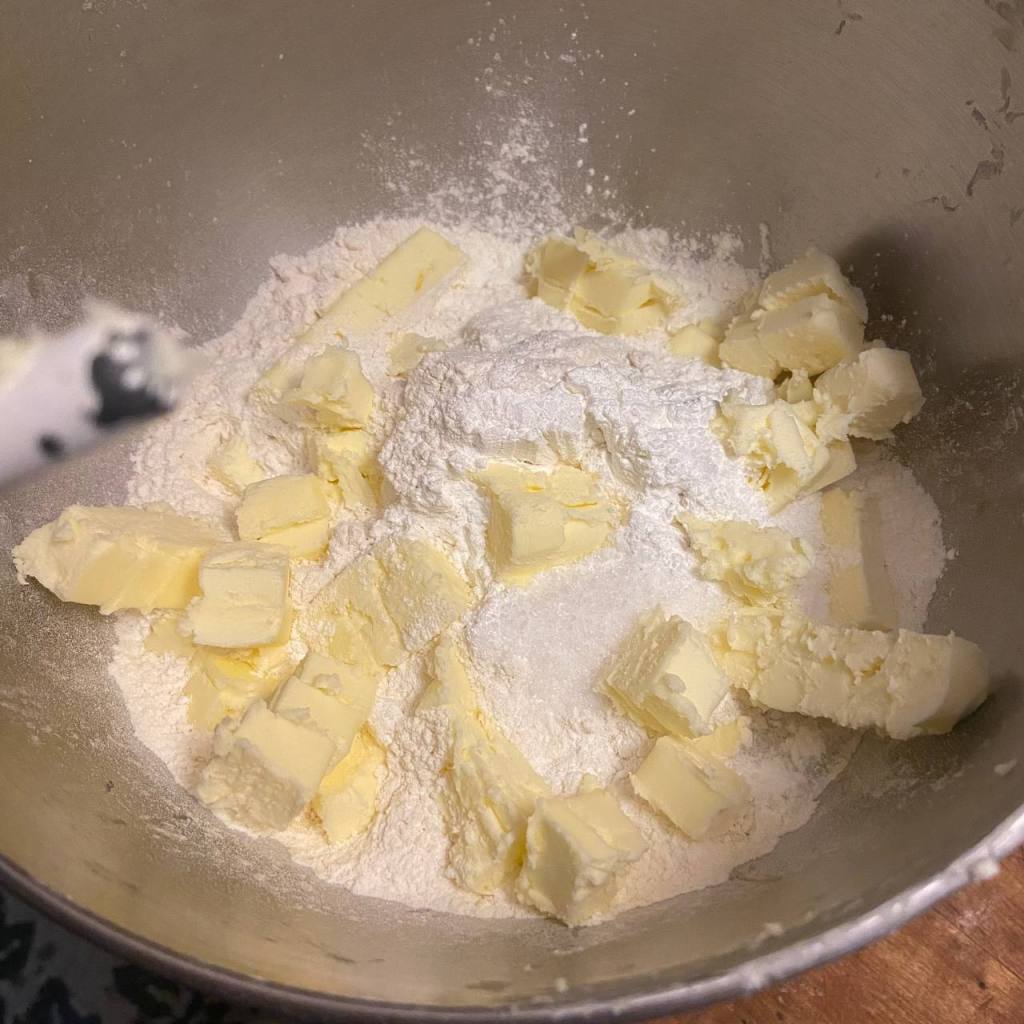
Make the streusel: In a bowl, whisk flour, sugar, and spices. Cut in butter with a pastry cutter or your fingers until mixture looks like coarse crumbs. Chill while you prepare the batter.
Mix dry ingredients: In a large bowl, whisk flour, baking soda, baking powder, salt, and spices.
Mix wet ingredients: In another large bowl, whisk together pumpkin, both sugars, sour cream, oil, eggs, and vanilla until smooth.
Combine: Add dry ingredients to wet and stir just until combined (don’t overmix).
Fill muffin tins: Divide batter evenly among 24 cups (about ⅔ full).
Top: Sprinkle each muffin generously with streusel.
Bake: Bake 20–24 minutes, until a toothpick inserted in the center comes out clean.
Do you ever start out to make one thing, but the farther you go the more you realize you’re actually making something else? That’s what happened with these cookies.
I went into the kitchen fully intending to make snickerdoodles. That’s what had been requested and that’s what I had a recipe for.
But then, as often happens, Tim came to help. Don’t get me wrong, that wasn’t a problem. Tim is, after all, the one who taught me to cook, and I enjoy working in the kitchen with him. But… It did mean the recipe was changing cause that’s what Tim does.
Soon, I was pulling fresh cookies from the oven and trying to convince everyone that they would survive if they waited a few minutes for the cookies to cool.
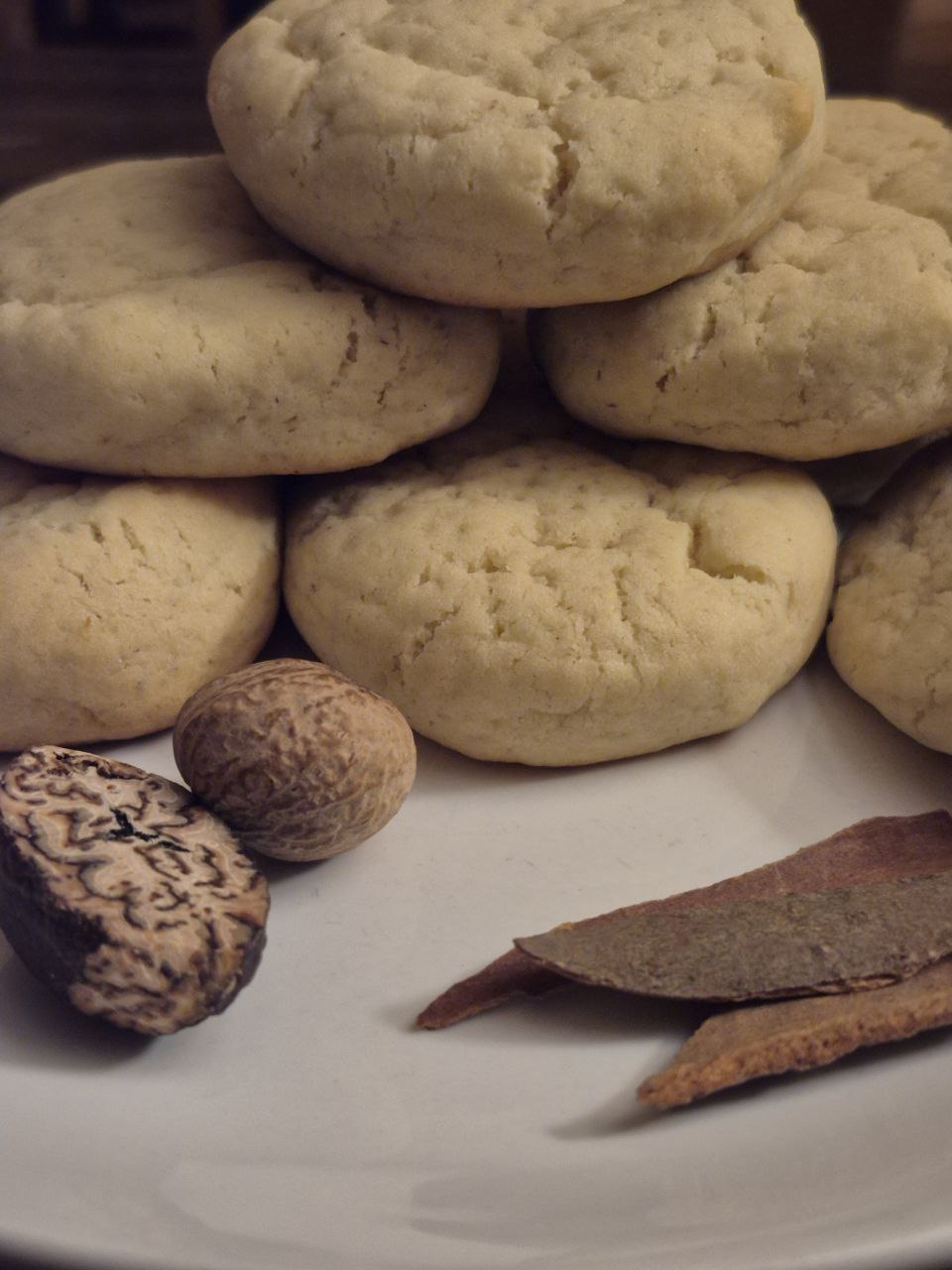
Then, came the first taste. All it took was one bite to know these were definitely not snickerdoodles. They had the same cinnamon sugar coating, but after Tim had added ginger, cinnamon, and nutmeg the cookies had morphed into… well… Spicedoodles.
So a new favorite was created and now I’m passing it one to you!
Spicedoodle Cookies
Ingredients (For approx 36 cookies)
1 cup (2 cubes) Butter, softened
1 cup Sugar
1 teaspoon Vanilla
2 Eggs
4 teaspoons Baking Powder
1 teaspoon Baking Soda
1/2 teaspoon Salt
1 tablespoon Cinnamon
2 teaspoons Nutmeg, grated
1/2 teaspoon ground Ginger
3 1/2 cups Flour
Instructions
Preheat the oven to 400 degrees.
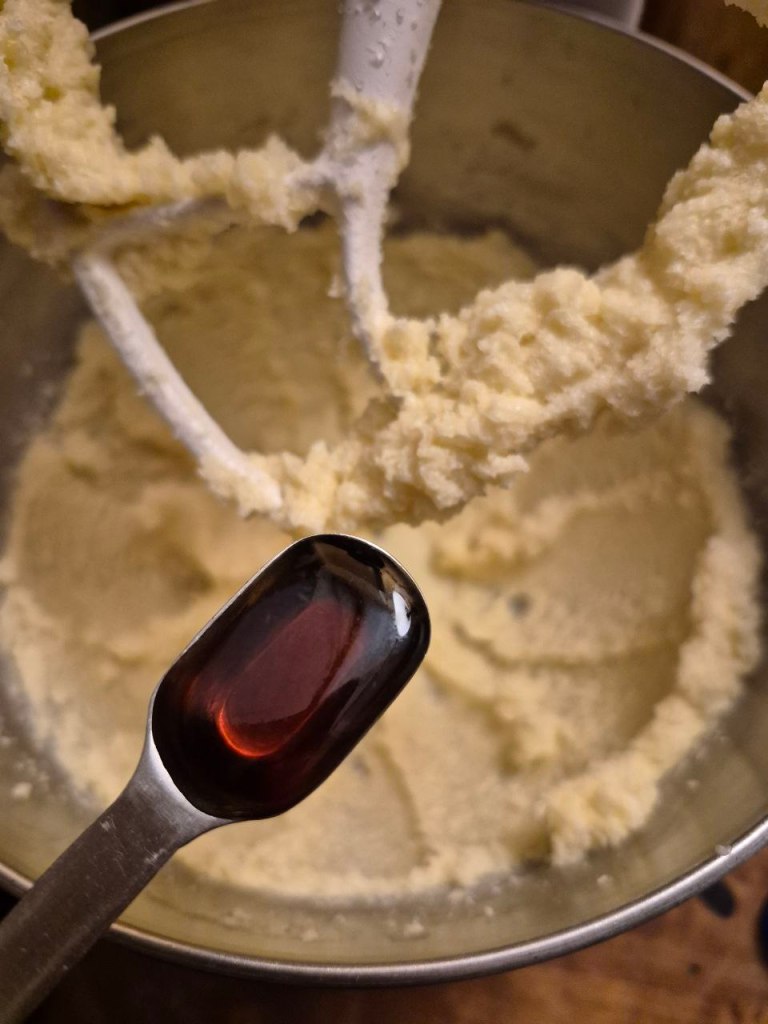
Combine softened butter, sugar, and vanilla until creamy.
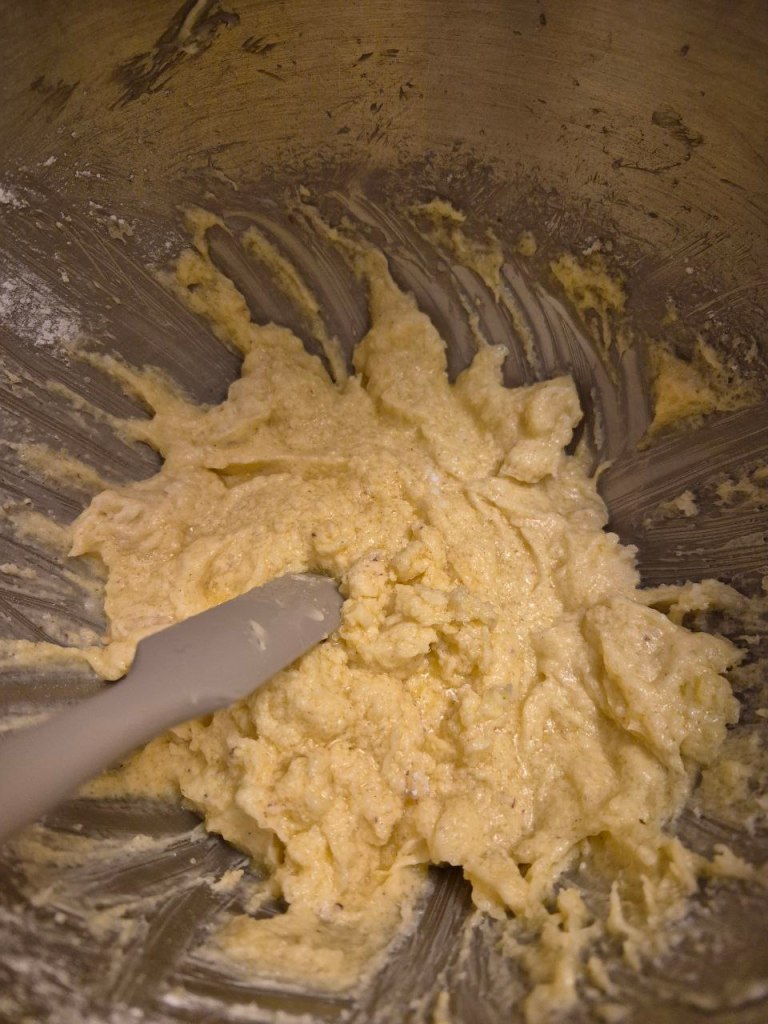
Add the eggs and mix well.
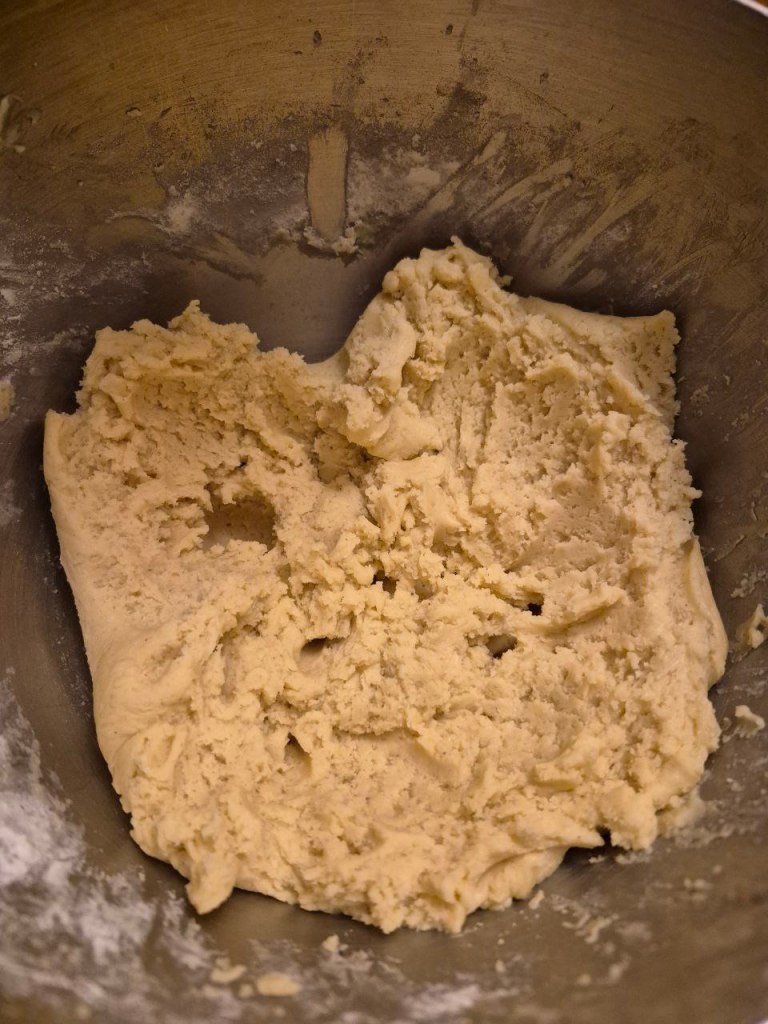
Mix in spices and dry ingredients. We like our spices strong, but if you want a more “normal” spice level, cut the amounts for the cinnamon, nutmeg, and ginger in half.
In a small bowl, mix sugar and cinnamon to roll the cookies in. Ratios can vary depending on how strong you want the cinnamon.
Form cookies into ping-pong sized balls and flatten slightly. This will help them stay thicker as they bake and come out softer.
Roll them in the sugar/cinnamon mixture and place on a cookie sheet an inch or so apart.
Bake at 400 degrees for 7-8 minutes. They will still look soft, but will be delicious and perfectly done. For my family at least. Feel free to adjust if you want, but I wouldn’t suggest going over 9 minutes.
Like maybe some of you, I used to enjoy meandering down the candle aisle in Walmart and smelling every one that sounded interesting. And I’d check every single bottle of soap or shampoo to make sure I bought the one I liked the best.
Now, I find myself preferring, by far, natural scents over commercial ones. In fact, just one sniff of one candle or bottle of soap is often enough to bring on a headache.
Add to that kids who break out from harsh chemicals in most laundry detergents, and we aren’t the easiest people to buy laundry soap for.
So, the other day, I thought, why buy it?
I started checking and soon found a recipe for laundry detergent powder with only 4 clean natural ingredients, one of them being fragrance of my choice. It sounded great to me and we even had most of the ingredients on hand.
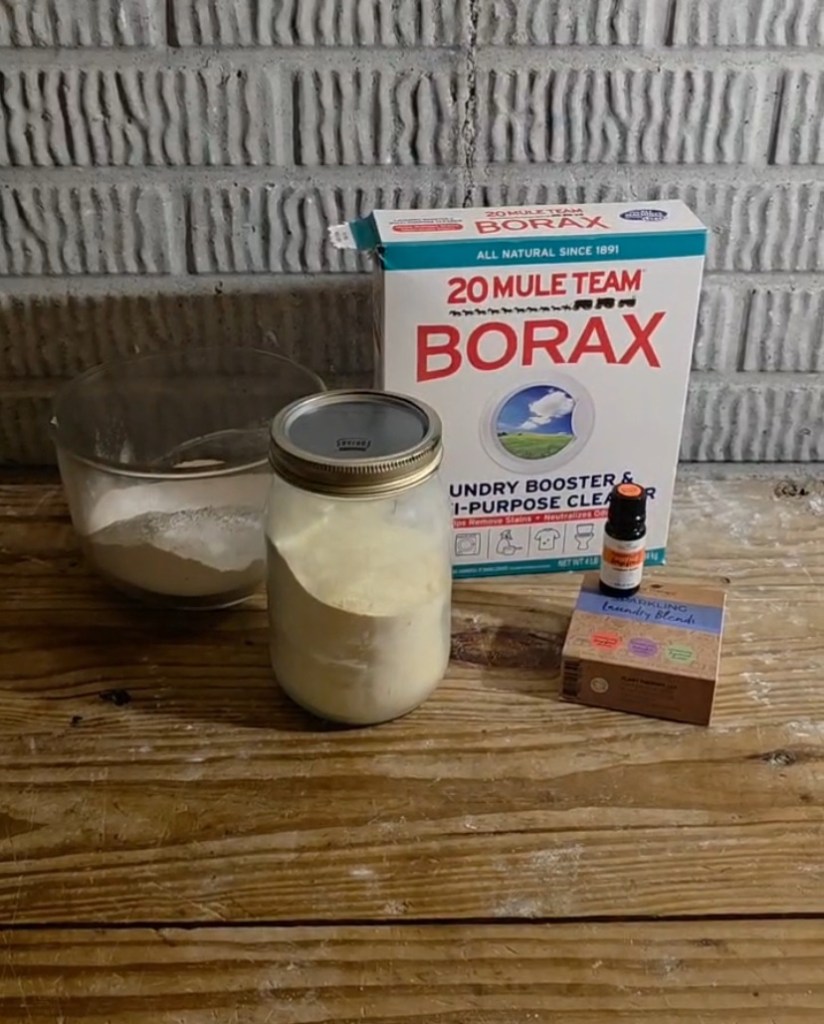
Borax for odor control, stain removal, and general whitening. I used 20 Mule Team brand.
Fels-Naptha for cleaning and stain removal. I used Purex brand
Washing Soda for more cleaning power and odor control. I used Arm and Hammer brand.
Essential Oils for a great natural smell. I used one of Plant Therapy laundry blends.
I didn’t have Borax or Washing soda, but a quick trip to our little local store provided Borax and we found a way to make our own Washing soda.
It turns out, if you put regular baking soda on a cookie sheet in the oven at 400 degrees for an hour, you have Washing Soda!
Homemade Laundry Detergent
1 cup Borax Powder
1 cup Washing Soda
1 cup Fels-Naptha, grated (about 1 bar)
15-20 drops of essential oil, your choice
If you have Washing Soda, put it and the Borax in a jar or container. You will want to use a mask or something to cover your face to keep you from breathing in the fine powders. If you don’t have Washing Soda, you can make your own by putting a cup of baking soda on a cookie sheet in a 400 degree oven for an hour. This changes the chemical formula and makes Washing Soda.
Take the bar of Fels-Naptha and grate it. You can use the fine side of a cheese grater or your food processor shredder disc on the small side. Again, the powder is very fine and not something you want to breathe so wear something over your mouth and nose. Let it settle before you open the food processor.
Put all three dry ingredients in a container or jar. I used a jar so I could just put a lid on and shake it to mix it.
Let the mixture settle and then open and add 15-20 drops of essential oils for scent.
Shake to mix in the oils and let sit overnight.
Use 2 tablespoons for a regular load and 3 tablespoons for a heavy load.
I also have a video showing the process on YouTube at Bringing Life Homestead.
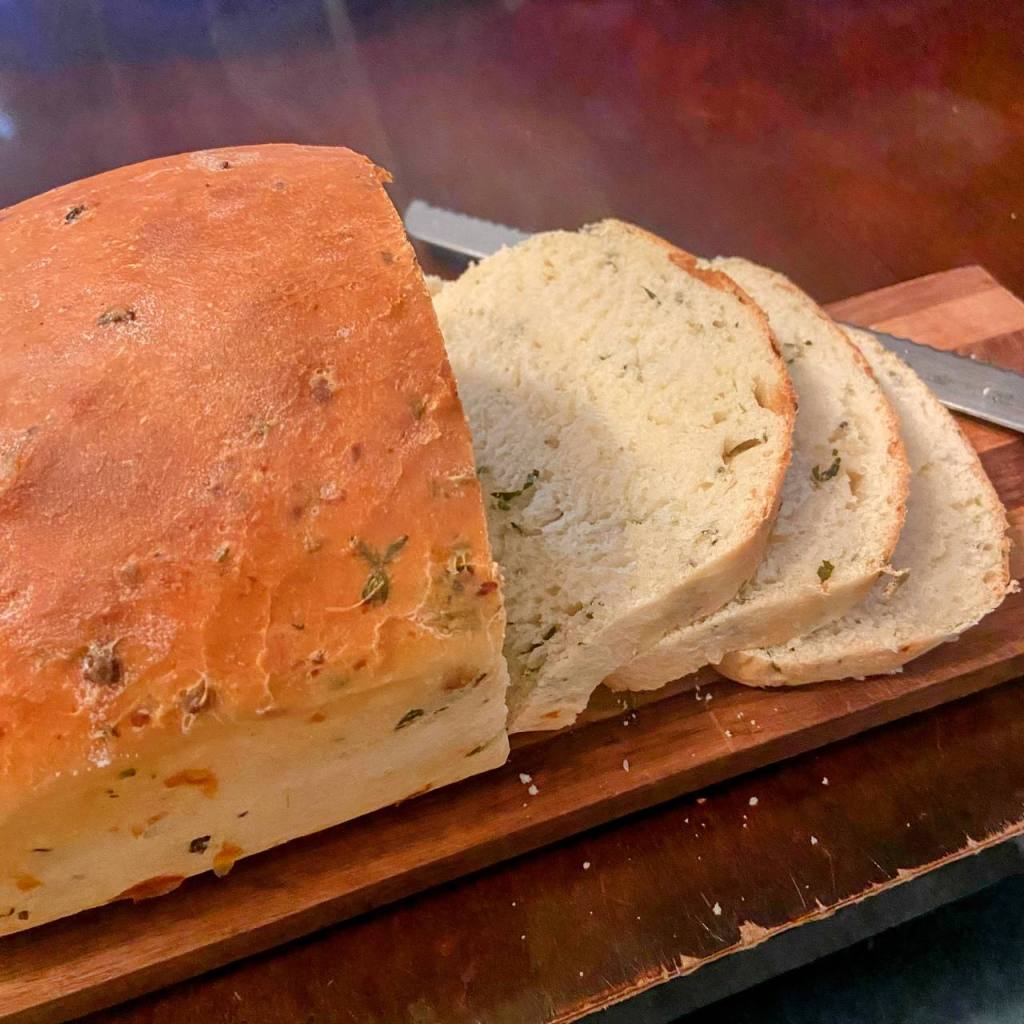
I love making bread. There’s nothing quite like the look of bread dough rising or the smell of it coming out of the oven or the taste of hot buttered slice fresh off the loaf.
I’ve experimented with several different varieties of bread. From oat bread to seedy bread to whole wheat bread. I found out I like them all.
This recipe, however, is one I use when I feel like making some extra special bread. It takes extra time and effort, but it is worth every minute. Believe me!
This recipe is all my own, so if there is anything wrong with it, I have no one to blame but me. Thankfully, I know of nothing wrong with it. 🙂
Anyway, on to the details of the bread. There are several things that make this bread unique.
Buttermilk. I replaced the typical water with warm buttermilk, and it really takes this loaf up a notch. Super soft and moist.
Fresh herbs. You might be able to use dry herbs in place of fresh, but I’ve never tried it and don’t think it would work quite as well. I have used several different blends of herbs and they were all good. Rosemary, thyme, and parsley is a delicious combo. Chop them fairly small and discard the tough stems.
Cheddar Cheese. While not an absolute necessity, it does add a nice flavor. It’s also delicious without it, but I’ll give the recipe with cheese included. Other kinds of cheese would probably be good as well.
Homemade Herb Cheese Bread
Ingredients
2 c Warm Buttermilk
2 T Sugar
2 t Yeast
2 t Salt
1/4 c Oil (or melted butter or lard)
4.5-5 c Flour
1/2 c Fresh Herbs, chopped
1/2 c Cheddar Cheese, grated
Instructions
Put warm buttermilk, sugar, and yeast in bowl of stand mixer. If you’re using active yeast, let it bloom for 5-10 minutes until foamy. If you’re using instant yeast, blooming is not needed.
Stir to make sure sugar and yeast are mixed in and not stuck on the bottom.
Add the salt, oil of choice, and flour.
Mix until flour is mostly incorporated then add chopped herbs and shredded cheese.
Continue to knead until everything is well mixed and the dough is pulling away from the sides of the bowl. Add more flour if needed.
Keep mixing for at least 5 minutes. I’ve found that the longer you knead the dough, the softer the bread is. If the dough stays really soft and sticky and you don’t want to add more flour, it should still work. I’ve had it happen to me lots of times, especially in warm or humid weather, and the bread turns out great. You just have to kinda pour the dough into the bowl and then the loaf pans instead of forming it.
Transfer the dough into a large, greased bowl, cover, and let rise until doubled. About 1-1.5 hours.
Form dough into a loaf, or two if it rose enough, and place in a greased 9×5 bread pan. Cover and let rise until the center is about 1-2 inches above the edge of the pan. I usually turn the oven on to preheat and let the pans sit on top the stove to cut down the rise time.
Preheat oven to 375 degrees
Bake at 375 degrees for 15 minutes, then without taking the bread out, turn the oven down to 350 degrees and bake another 20 minutes or until the bread is golden brown and sounds hollow when tapped.
Try to let it cool before you blister your fingers to get it out of the pans and sample it. If you’re like me and mine, you’ll endure the pain just to get a fresh, hot slice with butter. 🙂
Serve warm with stew or baked chicken or cool as a delicious sandwich base. Whatever you do, make sure you enjoy it!
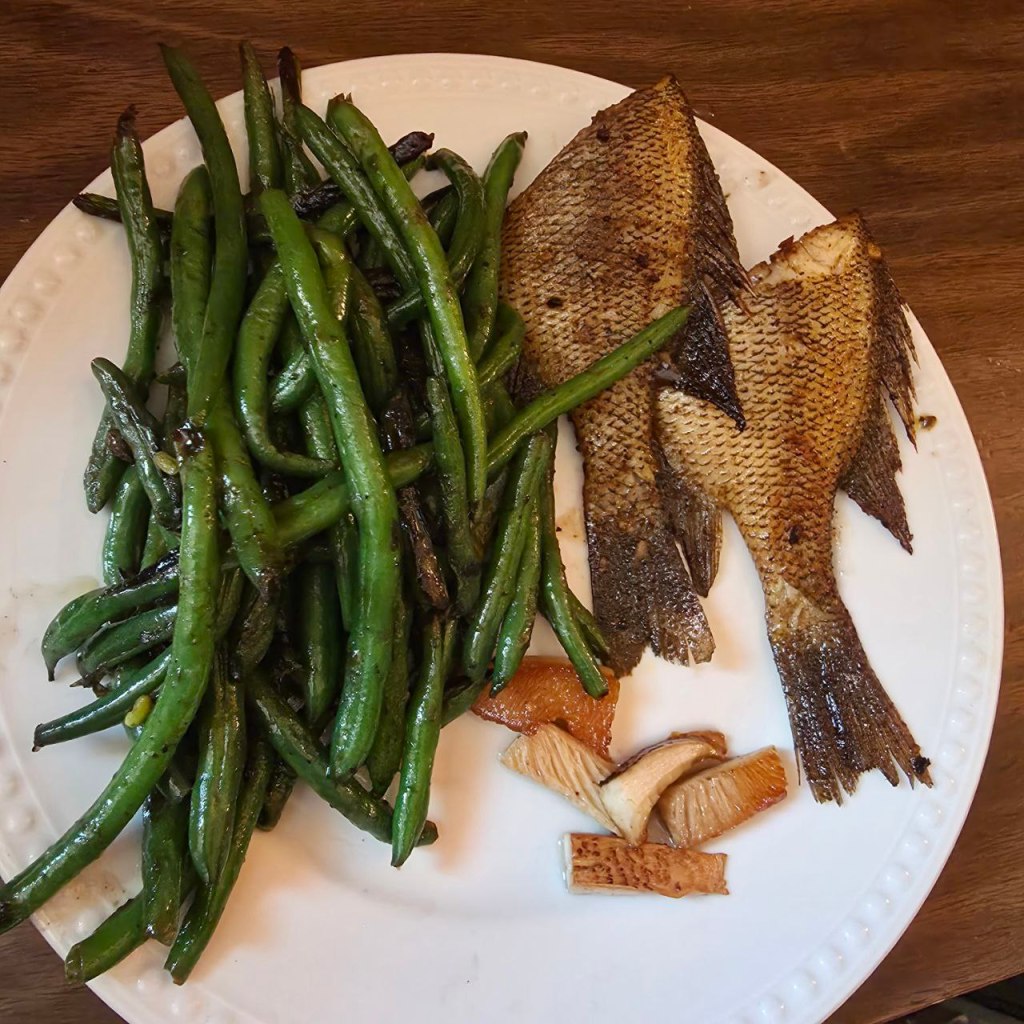
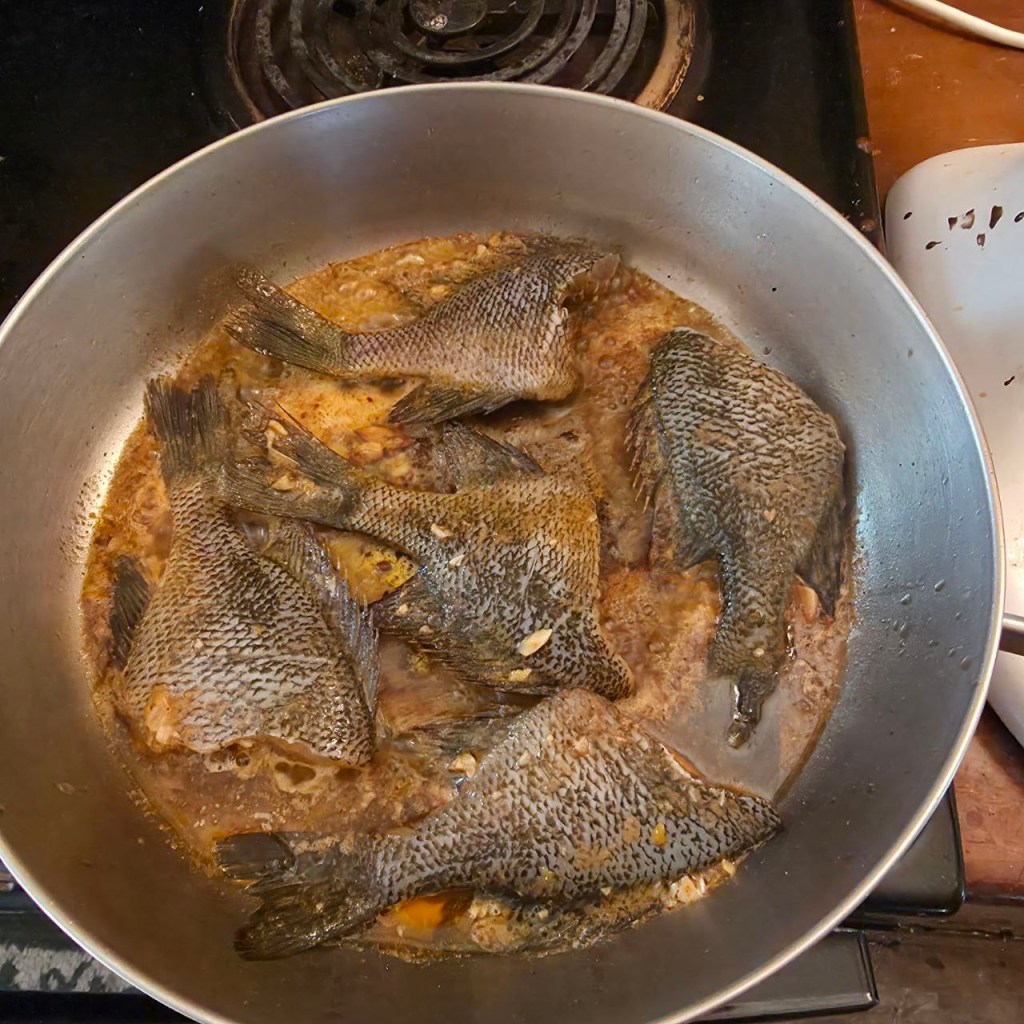
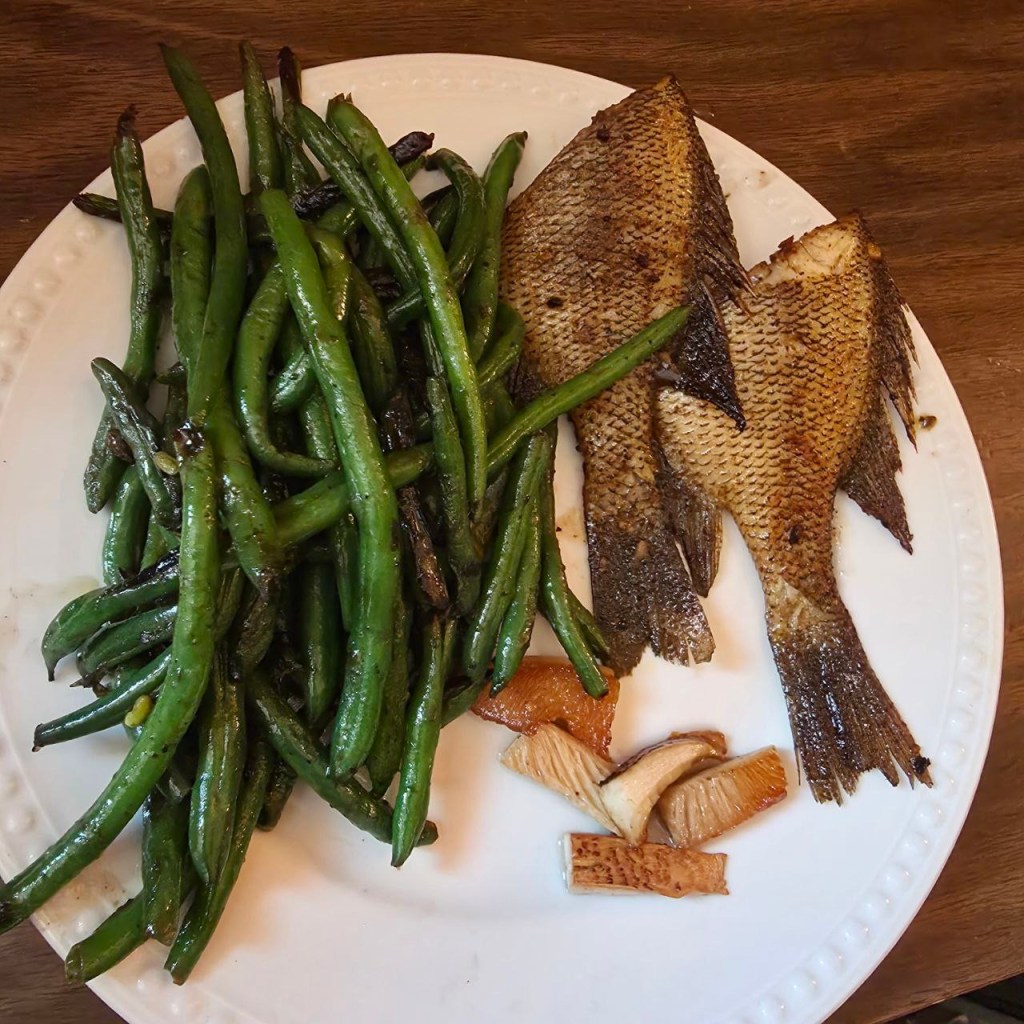
Some of y’all might disagree, but nothing tastes quite like fried bluegill that you caught yourself. Especially when it’s pan fried so nicely and combined with foraged Train Wrecker mushrooms and sautéed green beans.
Tim brought in most of the fish, but Micah managed to land one too.
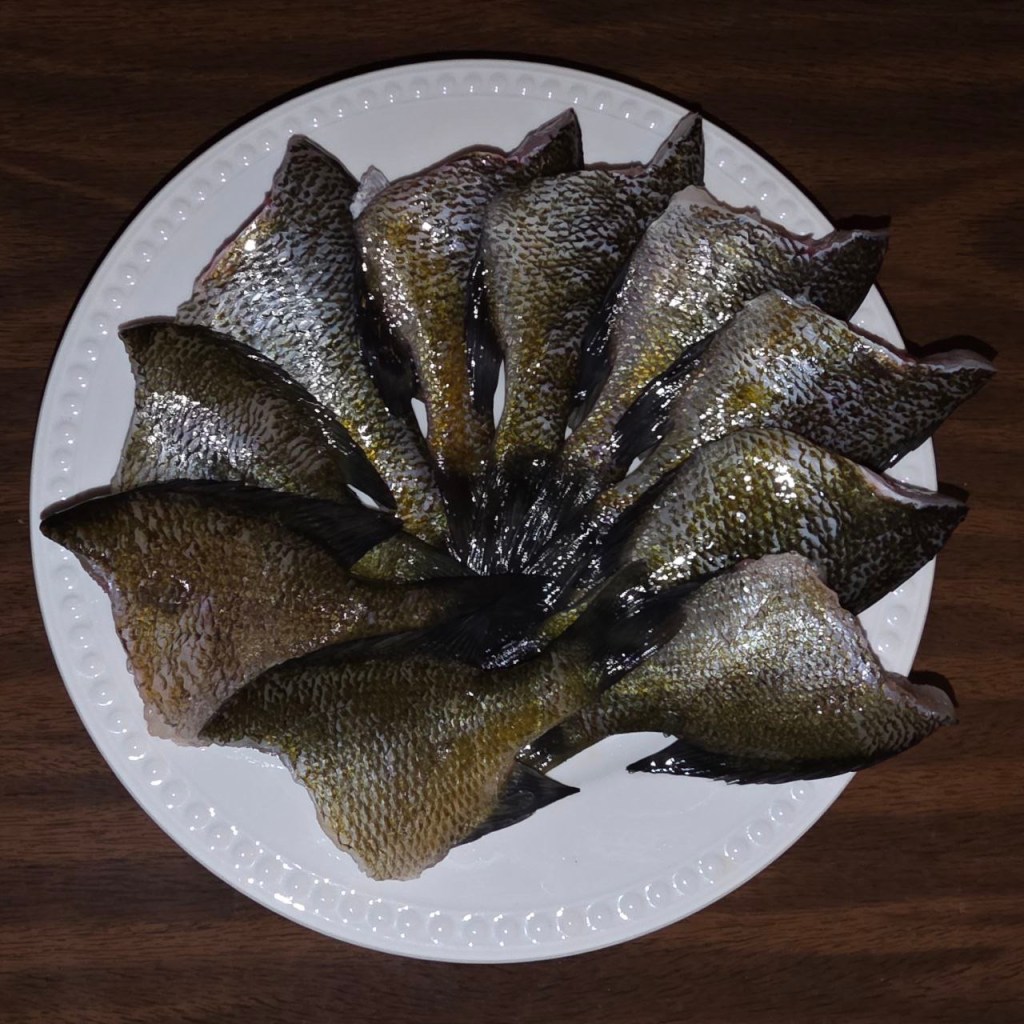
I cleaned them the night we caught them while Tim made the marinade for them.
Once all 10 were ready to go, Tim placed them in the marinade and we put them in the fridge overnight.
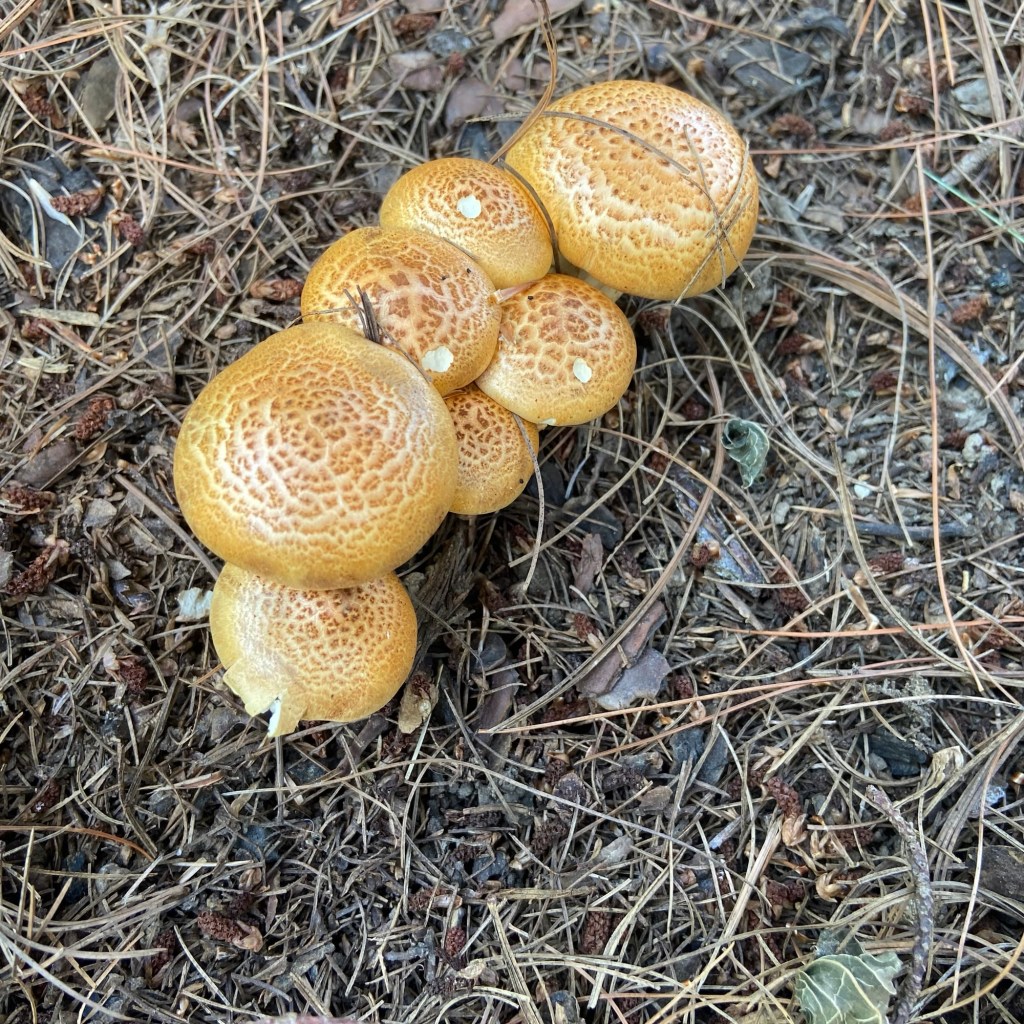
Then, the next afternoon I went looking for mushrooms. We had seen a cluster of them, so I knew where to go.
Train Wreckers, or Neolentinus lepideus, earned the name by their ability to grow on highly treated railroad ties. If they’re ignored, the tie would eventually disintegrate and could cause a train wreck. Thankfully for us, these mushrooms were growing on a pine root which meant they were safe to eat.
They do have some look-alikes, some of which are poisonous, so a positive ID is essential before they go in the skillet.
Fresh green beans were in the fridge just waiting to be used. And so the meal came together.
The results were delicious and filling. We’re already planning our next fish meal. 😊
Around here, we usually keep breakfasts pretty simple. Bacon and eggs, eggs and bacon, that sort of thing. Sometimes, for variety, we add cottage cheese, veggies, or fruit to the menu.
And then, other times, we feel like splurging a bit. Usually in those cases, our minds (Tim’s for sure!) turn to biscuits.
Finding the perfect recipe was a bit of a journey. Especially since we started with store-bought biscuits out of a can. I still shudder sometimes to think of it.
This recipe is not original to me. I found it online at bakerbettie.com
The enjoyment we get from eating these flaky rounds of yummyness is ours, though. They are amazing with butter and honey or jam, with Tim’s delicious sausage gravy, or as breakfast sandwiches. Or even reheated with a little butter.
OLD FASHIONED LARD BISCUITS
Ingredients
2 c Flour
1 T Baking Powder
1/4 t Baking Soda
1 1/4 t Salt
6 T Leaf Lard, cold *
1 c Buttermilk, cold
Instructions
Preheat oven to 450 degrees and make sure an oven rack is in the center of the oven.
Grease a cake pan or cookie sheet or line with parchment paper or a silicone baking mat, if desired. I never grease my pan for biscuits and they seldom stick more than a little bit. If you use a cookie sheet, make sure it has a rim to keep any melted lard from running off.
Keep lard and buttermilk in the refrigerator until needed.
In a large mixing bowl, combine the dry ingredients and whisk. *
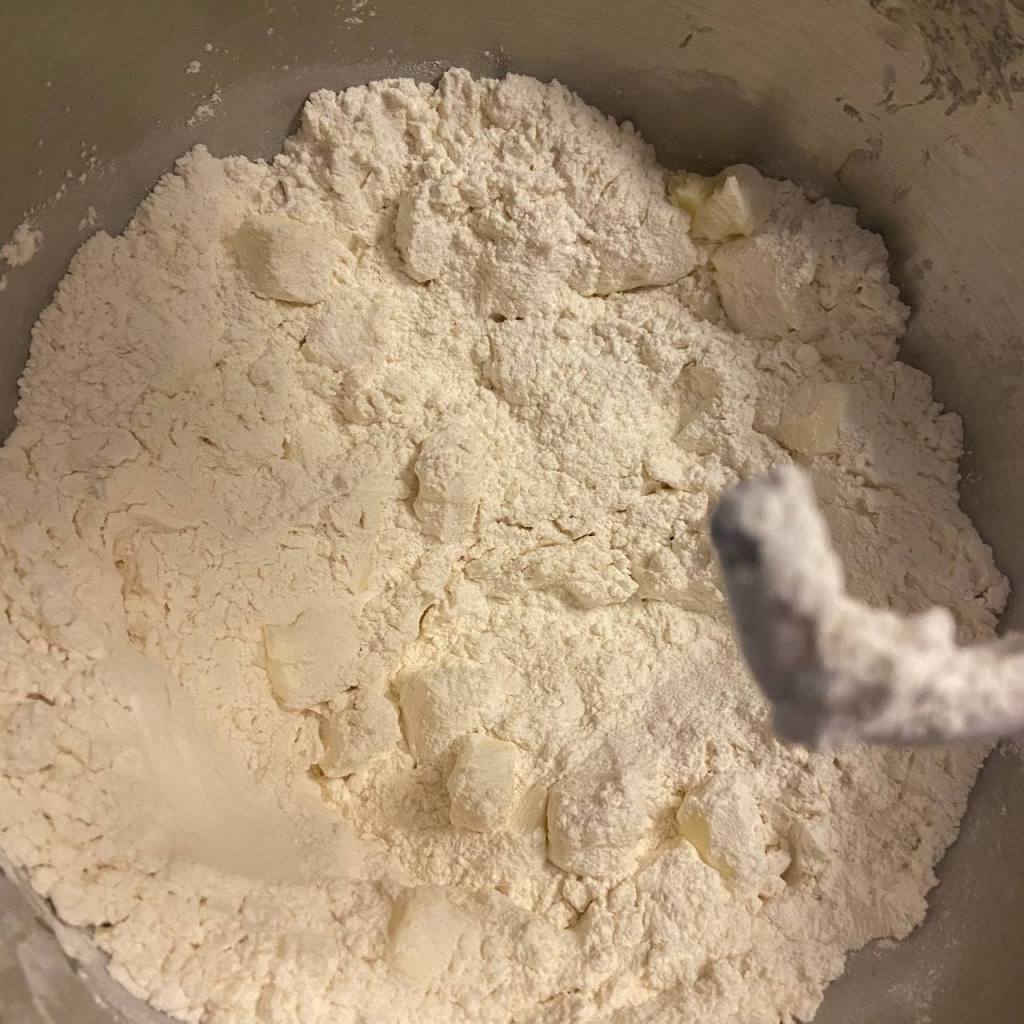
Add in the cold lard and cut into the flour mixture using a pastry blender or fork. You want the lard to be mostly in pea-sized pieces with a few larger.
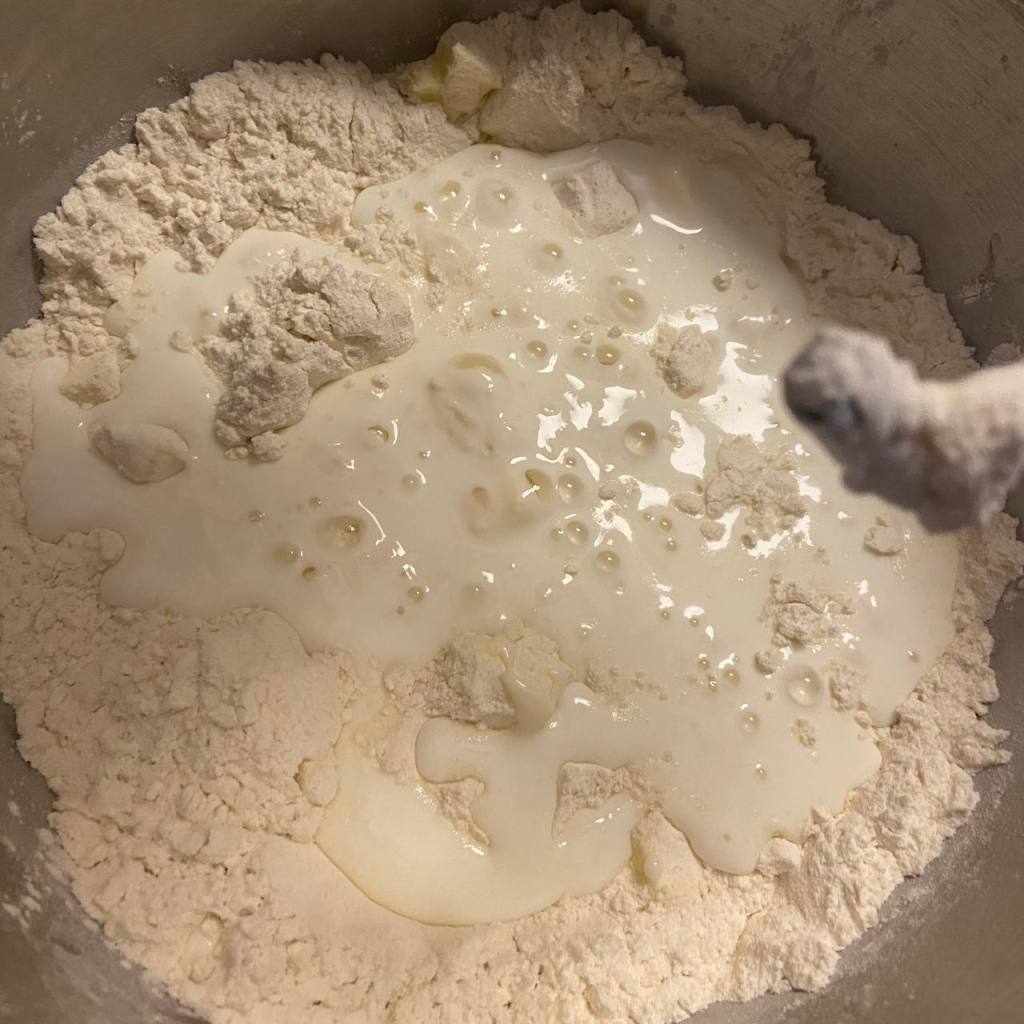
Add the cold buttermilk and stir with a spoon or spatula until just combined. This will not take long and you don’t want to overmix as the biscuits will be tough. The batter/dough will be pretty wet and sticky.
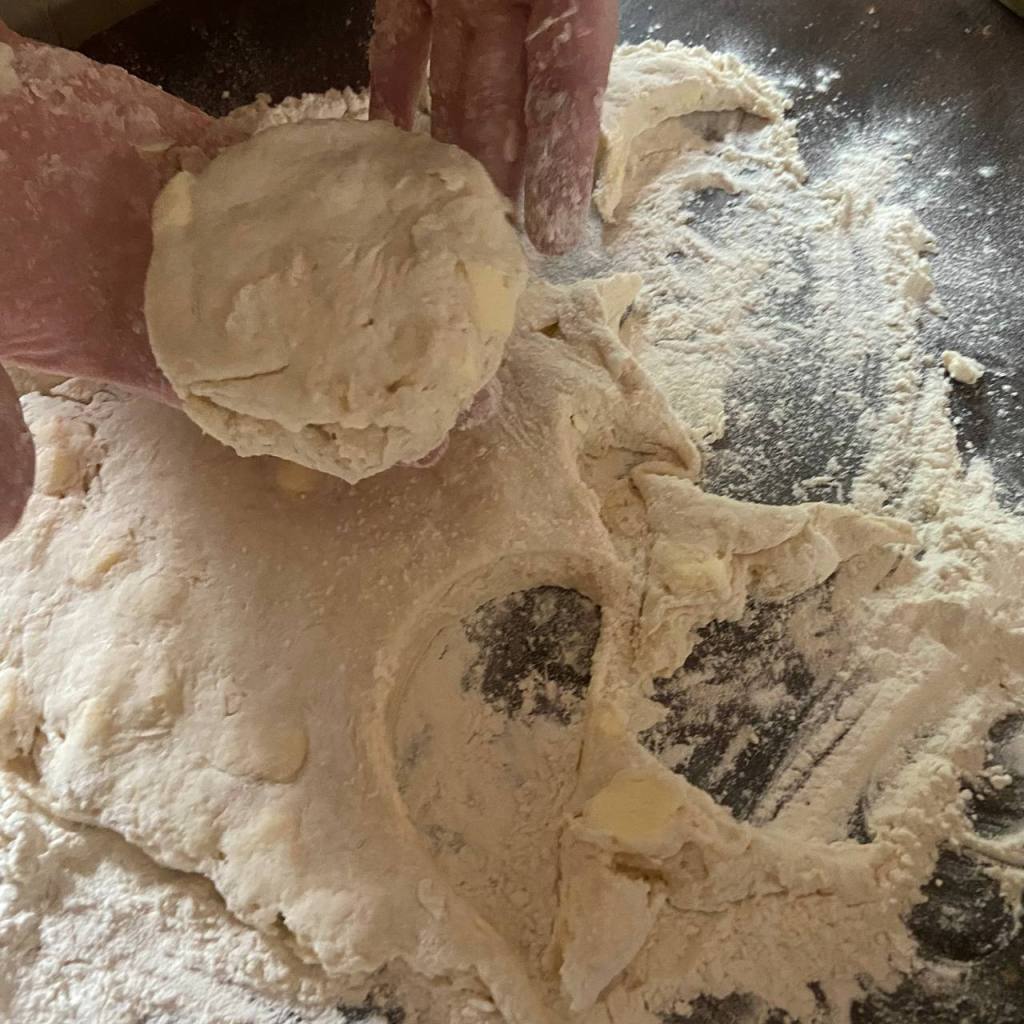
Turn the mixture out onto a floured table or countertop. Dust flour over the top. With floured hands, bring the dough into one mass.
Pat the dough out and then fold in half. Turn 90 degrees and pat out again. Repeat this 5-6 times. The folds help the biscuits end up flakier.
Press the layered dough out until it’s about an inch thick and use a round cutter that has been dipped in flour to cut the biscuits. Press straight down with the cutter and do not twist. Pat the scraps back together and cut again. Or you can pat the dough into a rectangle and use a sharp knife to divide into 8 biscuits.
Place the biscuits in the prepared pan, making sure the edges are touching to help the biscuits rise.
Bake for 13-15 minutes until golden brown. Do not open the door for at least the first half of the bake time. Keeping the steam trapped inside the oven helps with the rise.
Let cool, if possible, and then enjoy however you choose.
Notes
* I have substituted butter, tallow, and bacon grease for the lard with no problems. You just want it cold when it goes in.
*I make mine in my stand mixer and it works just great. Just don’t overmix.
If there is one thing about warm weather that I dislike and makes me start itching for the cold, it’s mosquitoes. With a pond nearby, a stream on the property, and a wetland down the road, we can get more mosquitoes than you can shake a stick at. Or your hand.
After our flood earlier this year, we had clouds of biting pests so thick that someone actually put their vehicle into the ditch trying to swat them out of their face.
Needless to say, bug repellent became a top priority. No one enjoyed being a buffet for bugs while feeding the dog or working in the garden or checking the mail.
So I did what I do. I started researching and experimenting. I found the essential oils that are supposed to repel mosquitoes and went to work. I diluted them with carrier oils and water and added some vanilla to emulsify them or help them all mix together. Then we sprayed it on and ventured into the fray.
A vicious fight ensued in which we came out the losers. Maybe even sore losers. We retreated indoors to apply lavender to our wounds and discuss strategies.
Now, if there’s one thing I’m good at, it’s coming up with ideas. I don’t guarantee them all as good ideas, but they are ideas, nonetheless. So, a few days later, after the itching calmed down some, I tried again.
This time I took three of the essential oils most known for repelling mosquitoes, mixed them with non-scented lotion, and applied the concoction liberally. The kids and I noticed a definite difference. We could now boldly leave the house and work outside while the mosquitoes kept a respectful distance of 6 inches or so. This blissful triumph lasted about 15 minutes. Once the lotion was all absorbed, we were right back to square 1.
So far, it was Mosquitoes 2; Rachel 0.
Then, to add insult to insect injury, Tim noticed a definite difference, too. Everywhere he used the anti-bug lotion, he had broken out in a rash. Apparently, he can’t handle essential oils on his skin unless they are extremely diluted. This brought the score to a lovely Mosquitoes 2; Rachel -1.
That put an effective stop to my experiments with bug repellent for a while. And thankfully, the majority of the flying hordes moved off or disappeared, making life much more manageable.
But then, Tim started taking walks almost every morning and night. He’s been given permission to even do some off-road exploring in the wetland, which opened up a slew of new opportunities for him and his camera. This brought insect repellent right back to the forefront though, since he and sometimes the kids were tramping through brush and weeds. So something had to be done for the bugs.
I tiptoed back to my research, unsure if I could find anything that would help without causing side effects. Finally, I found a recipe that looked promising. It called for beef tallow as the main part of the base since that stays on the skin longer than lotion or water. It also didn’t rely on just essential oils for its potency.
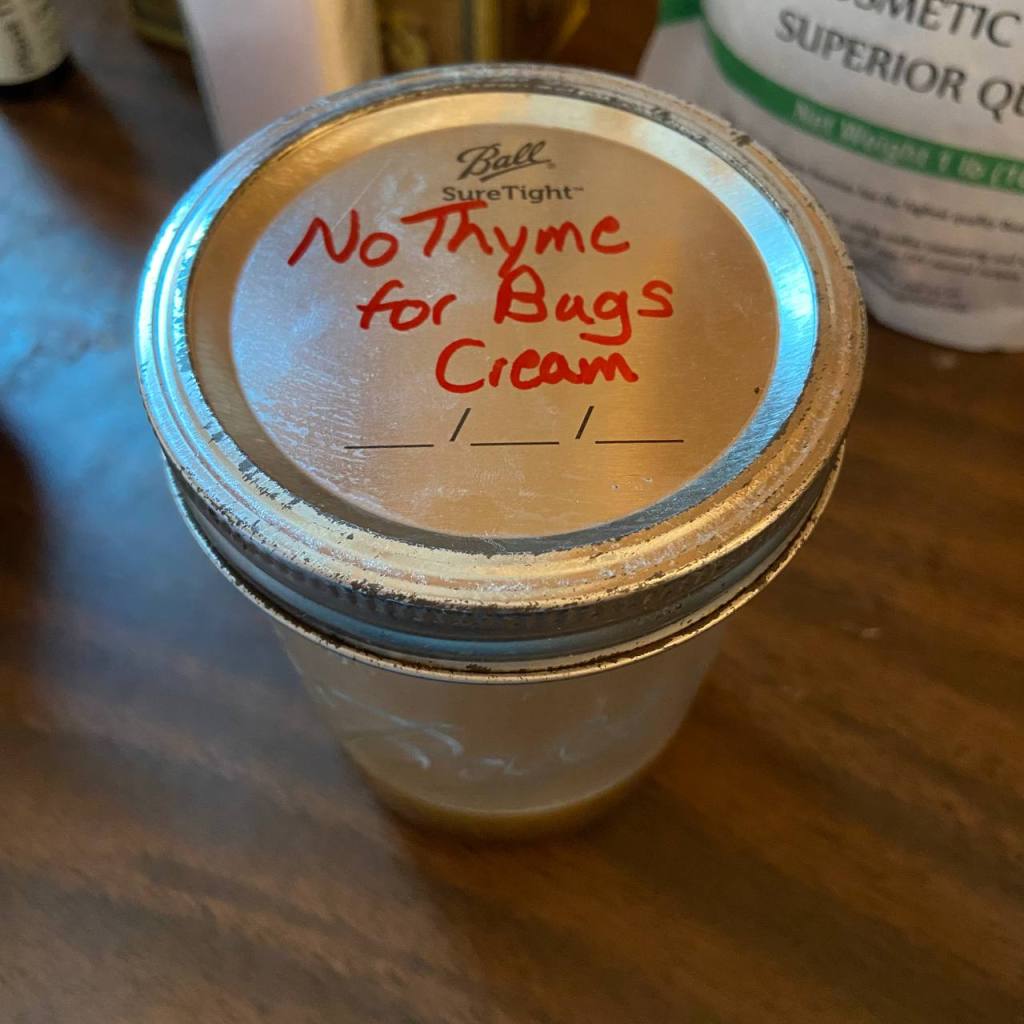
No Thyme For Bugs Cream
2 T Tallow
1 t Beeswax
1 T Vinegar (White or ACV)
1 T Thyme Tea*
10-15 Drops Lavender Essential Oil
1/4 t Ground Clove
Melt the tallow and beeswax in a double boiler or heat-safe bowl over simmering water. Once it is all melted, remove from heat and let cool 2-3 minutes.
Stir in remaining ingredients and pour into a jar or sealable container.
Shelf life at room temperature should be 6-9 months.
*To make the thyme tea, put 1 t of dried thyme in 1 c of boiling water, and let steep at least 5 minutes. The longer it steeps, the more potent the tea.
Now, I know I said Tim cannot have essential oils on his skin, but that does not apply to lavender, which is how it made it into this recipe. If you know you’re sensitive to oils, feel free to test this on just a small patch of skin to see if it’s safe for you.
I’m sure there will be more posts in the future about the efficacy of this anti-bug cream and any tweaks I make. But, I’d love to hear what worked for you and, as always, thanks for stopping by.
Tim has had a beard for over five years now, and it has been a surprising learning curve — for both of us. Apparently, the right way to grow a beard is not to simply quit shaving and hope for the best. It seems there are techniques and right and wrong ways to do it. Who knew growing hair could be complicated? 🙂
For a while, he would just trim off all the tangly bits and edges and move on. But then disaster struck, the clippers clipped too much, and the whole thing had to be trimmed nearly off.
To avoid ever doing that again, improve the overall health of his beard, and not need to worry with trimming, Tim started looking into different beard care products. But just take a wild guess how much that adds up to be in expenses over time! And the ingredients couldn’t always be vouched for either.
So, since we were already moving away from buying things so much, beard balm joined the growing list of “Things To Make Ourselves”. Thankfully, finding a recipe wasn’t difficult and neither was mixing it up.
Obviously, there are many recipes for beard balm. Probably as many recipes as there are men with beards, but anyway. This one uses what I had on hand, and according to Tim, works great.
Homemade Beard Balm
Ingredients
1 Tablespoon Beeswax Pellets (Firmness and Hold)
1 Tablespoon Jojoba Oil (Lightweight and Hydration)
1 Tablespoon Argan Oil (Deep Conditioning)
1 Tablespoon Evening Primrose Oil (Soothing and Anti-Inflammatory)
Essential Oils (Optional, Your Choice, 10-12 Drops)
4 Drops Cedarwood
4 Drops Patchouli
2-4 Drops Bergamot
Instructions
Melt the beeswax and carrier oils in a double boiler or a heat-safe bowl or jar over simmering water.
Stir gently until everything is fully liquid.
Remove from heat and let cool 2-3 minutes so it won’t scorch the essential oils.
Add the essential oils of your choice and stir thoroughly.
Pour into a 2 oz tin or small jar and let it harden uncovered. Then cover and store.
This balm might not harden as much as some you might be used to as it does not have shea butter in it. If you would like it more firm, remelt, but only just as to not damage the essential oils, and add a little more beeswax.
Also, be sure to buy only high-quality organic oils from sources you trust. According to my research, food-grade beeswax and carrier oils is best, and therapeutic-grade essential oils. I got my beeswax and carrier oils on Amazon, and I will do my best to add links as soon as possible. But, obviously, do your own research and make your own educated choices.
While helping make this, a worried Micah handed me the Evening Primrose oil and half whispered, “Daddy can’t use this. Men can’t smell like roses.”
When summertime rolls around and the days start heating up, one thing that helps make up for the sticky discomfort is peaches.
Now, I like peaches. I like them fresh, sliced with a little brown sugar and milk. I like them in muffins, in oatmeal, in cinnamon rolls… and did I mention fresh?
But around here, if we have peaches, there’s one thing that always gets requested: peach cobbler. Sometimes I think I could make it every single day and no one would complain. I doubt I’ll test that theory—but I wouldn’t be surprised if they tried to talk me into it. 😊
What makes peach cobbler so special—at least to me—is that it’s basically summer in a pan. You get the soft, bright flavor of peaches, the warmth of nutmeg and cinnamon, and the rich depth of vanilla, all paired with the buttery crunch of the buttermilk topping. It’s practically unbeatable.
And in our house, everyone has their favorite part. The kids go for the fruity pockets. I like a solid mix of topping and fruit, especially with those sweet drippings you get when you’re last to serve and scraping the pan. And Tim? Tim always gets a corner or edge piece—the one with the well-browned, butter-crunchy topping I make just for him.
Now, I had thought that I had my perfect peach cobbler recipe all figured out and set in stone. I use buttermilk, never regular milk, for the topping. The peaches always get freshly grated nutmeg, none of that store-bought ground nutmeg. Don’t get me wrong, I’m not saying you can’t get a good cobbler by using slightly different ingredients. I’m just saying that if I tried it, I think my family would accuse me of fraud or something.
The last peach cobbler I made, though, threatened to change some of my “set in stone” ways. You see, we didn’t have enough buttermilk. And I didn’t even have any regular milk to stretch it with. So I gathered up my courage and tried something I wasn’t positive would work. I added enough sour cream to get the buttermilk to the amount I needed and hoped for the best.
When I pulled it out of the oven and dished it up, I asked Tim his opinion of the substitution. He said it wouldn’t work as a substitute, but I had to start doing it that way from now on. Success!
So, in honor of summer, peaches, and Tim’s crunchy-corner approval, here’s my go-to peach cobbler—with a slightly unexpected twist.
Preheat your oven to 350 degrees F. Place the butter in an 8×8* baking dish and place it in the oven to melt while you prepare the topping and fruit.
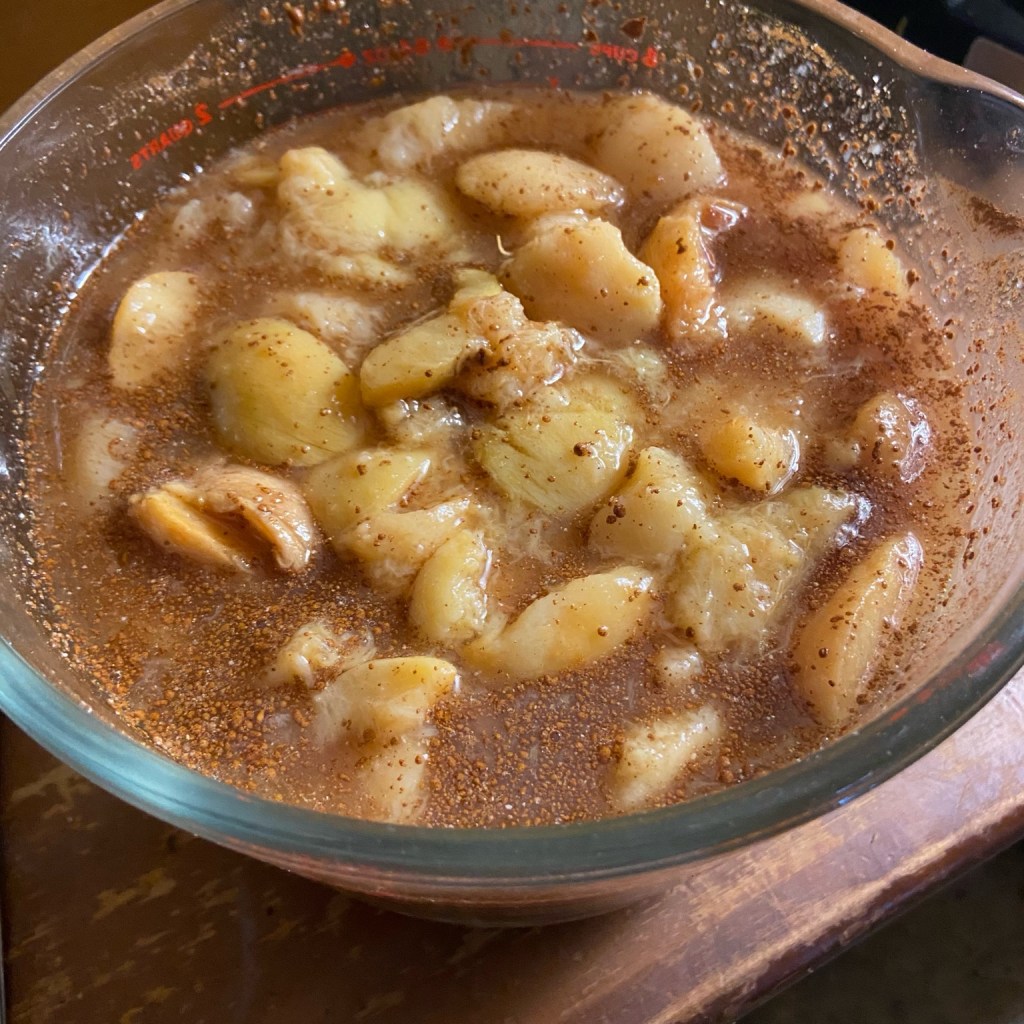
In a bowl, combine the sliced peaches with the sugar, vanilla, and spices. Set it aside to let the juices develop.
In another bowl, whisk together flour, sugar, baking powder, and salt. Stir in the buttermilk and sour cream until just combined. The batter will be thick.
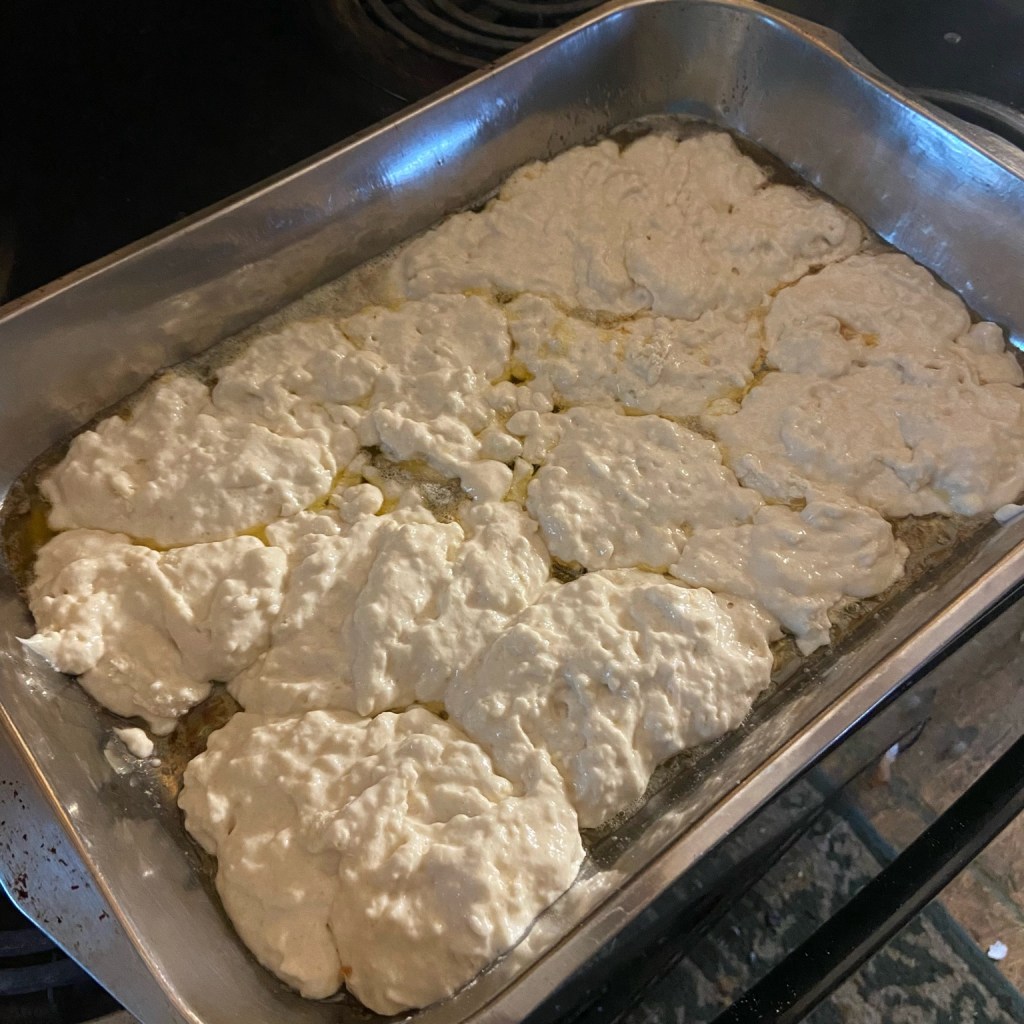
Once the butter is completely melted, carefully remove the dish from the oven. Drop the batter by large spoonfuls over the hot butter. Do NOT stir. It’ll look messy, but that’s what you want.
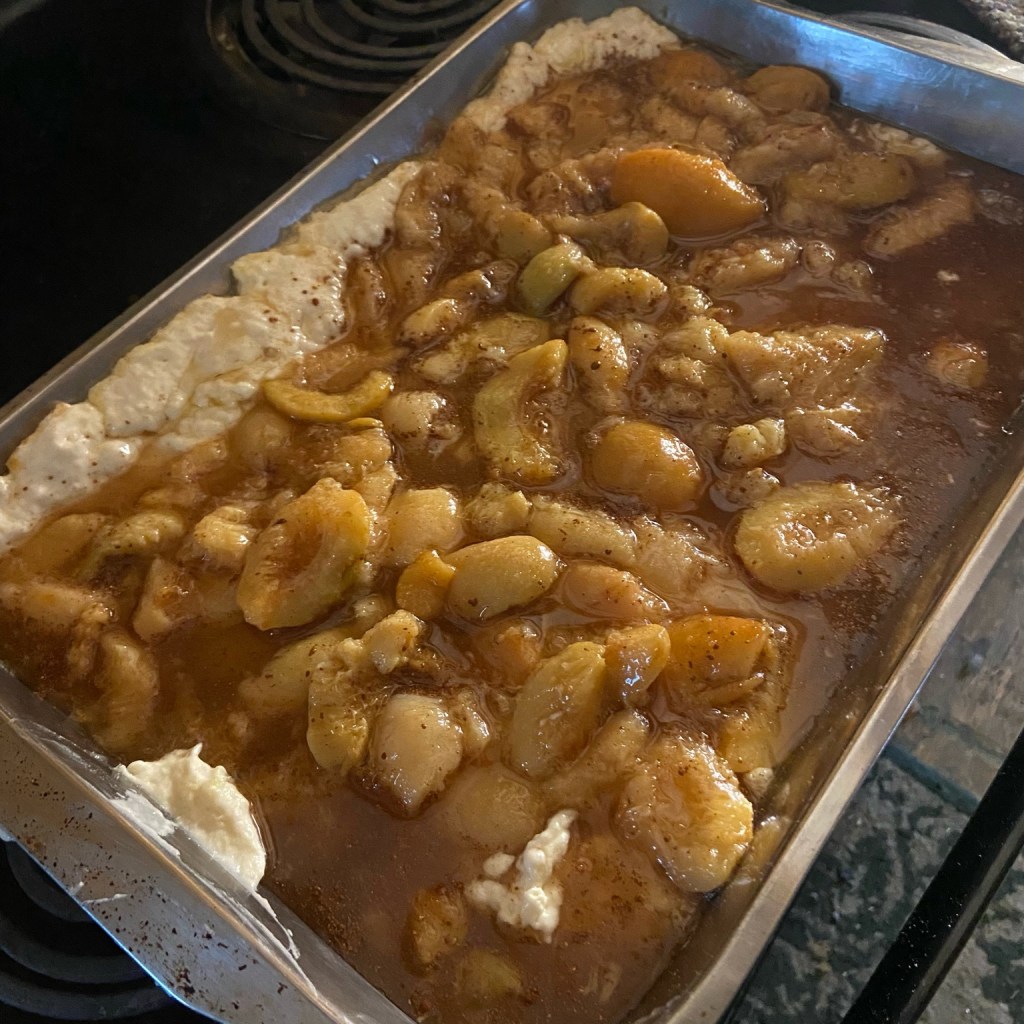
Gently spoon the peach mixture over the batter. Again, no stirring!
If desired, sprinkle the extra tablespoon of sugar over everything for a slightly crispy finish.
Bake for 45 minutes, or until the topping is golden brown and cooked through. Let it cool slightly before serving.
Best served warm. Great with vanilla ice cream or homemade whipped cream, our family’s favorite.
Recipe Notes
If you want to double this recipe, it still works great. Just use a 9×13 and bake for 1 hour 15 minutes to 1 hour 30 minutes.
Home canned peaches work great too, but you might want to drain some of the liquid off them before adding the other ingredients.
My family likes the spice a little more than some people, so feel free to use less nutmeg and cinnamon if desired. And I’ll be honest, I never measure the vanilla, nutmeg, or cinnamon. I go by what smells right, so these measurements are estimates.
A great variation is to add some raspberries to the peaches for pops of color and tartness.
Whether you serve it warm with ice cream or sneak a bite cold from the fridge the next morning (guilty), I hope this cobbler brings your people to the table the way it always does mine.





















 Bringing Life