Happy Spring!
When flowers start blooming, and trees start budding, I start looking for the ingredients to make one of my favorite wildcrafted spring teas. There is something so rewarding about heading outside with a basket and a pair of scissors to harvest the different herbs to wildcraft some tea.
Wildcrafting is the practice of responsibly harvesting wild plants for food, medicine, or other uses. It encourages sustainability, deepens your understanding of local plant life, and results in fresh, chemical-free ingredients that store-bought teas simply can’t match. Plus, there’s something deeply satisfying about brewing a cup of tea from herbs you’ve gathered yourself!
I use this tea early in the spring to naturally clean out all the accumulated junk that tends to build up internally over the winter. These herbs are created to have the vitamins and minerals needed to do a gentle but deep spring cleaning on our bodies. It helps that they taste great, too! The ingredients in this recipe are simple but may not be naturally available everywhere.
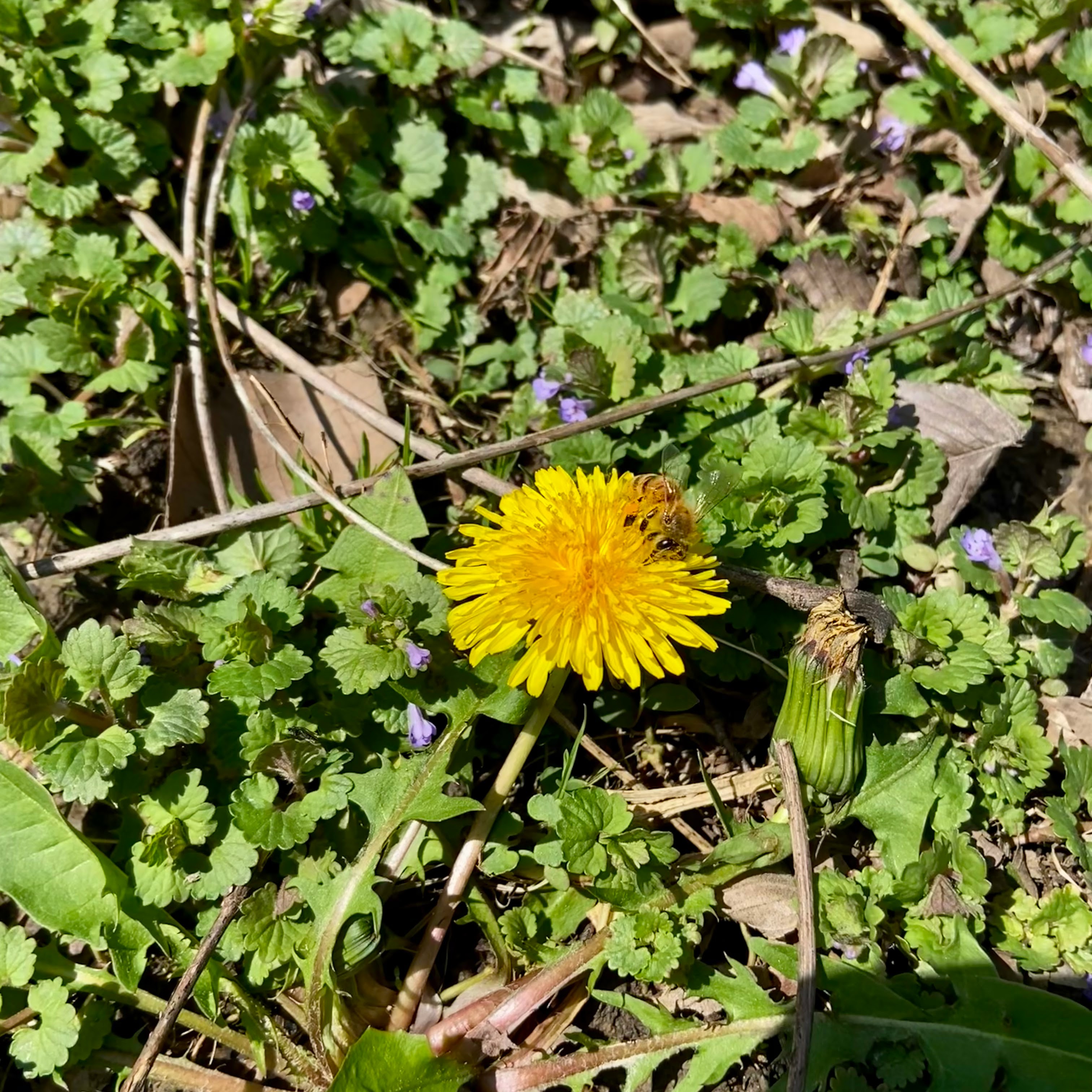
- Dandelions. These bright yellow flowers are among the first to pop up in spring and may bring dismay to some. But to wildcrafters, they are a treasure trove! Not only do they amend the soil wherever they grow, but the flowers are full of vitamins, minerals, and antioxidants. They work to regulate blood sugar, detox the liver, and in general clean you out after a long winter. The leaves can act as a diuretic, lowering blood pressure and aiding in digestion. So the next time a dandelion shows its golden face, don’t try to dig it up (it’ll just come back anyway), instead look for a way to incorporate it into a tea, salad, or bread recipe.
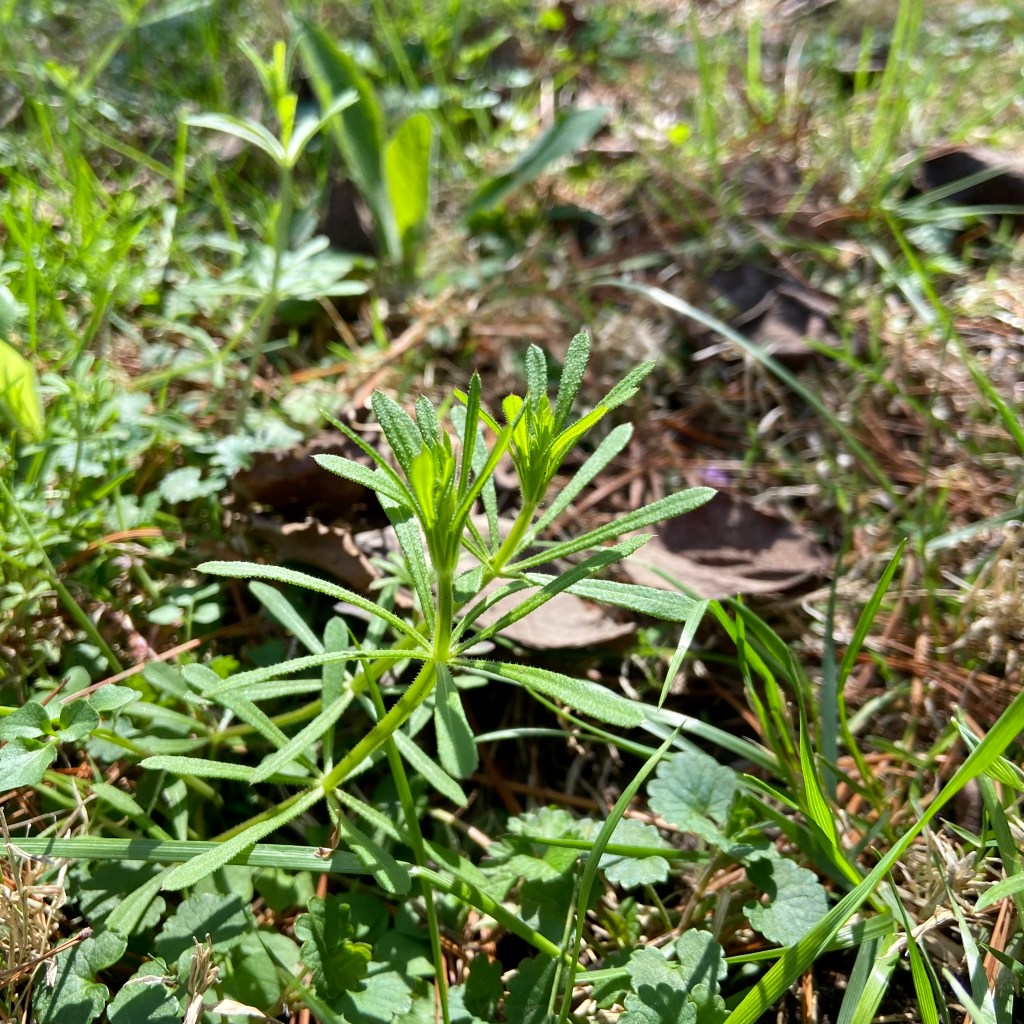
- Cleavers. This sticky plant may not grow everywhere, but if it grows near you consider yourself blessed. Even if it does seem to be trying to take over the whole yard. Cleavers are one of the strongest lymphatic system cleansers in nature. While more potent than over-the-counter medicine, this herb is very gentle with no bad side effects, unless you are a rare creature with an allergy to cleavers. An immune system booster, this funny-looking “weed” is also anti-inflammatory and there is even research to explore its use as a cancer treatment.
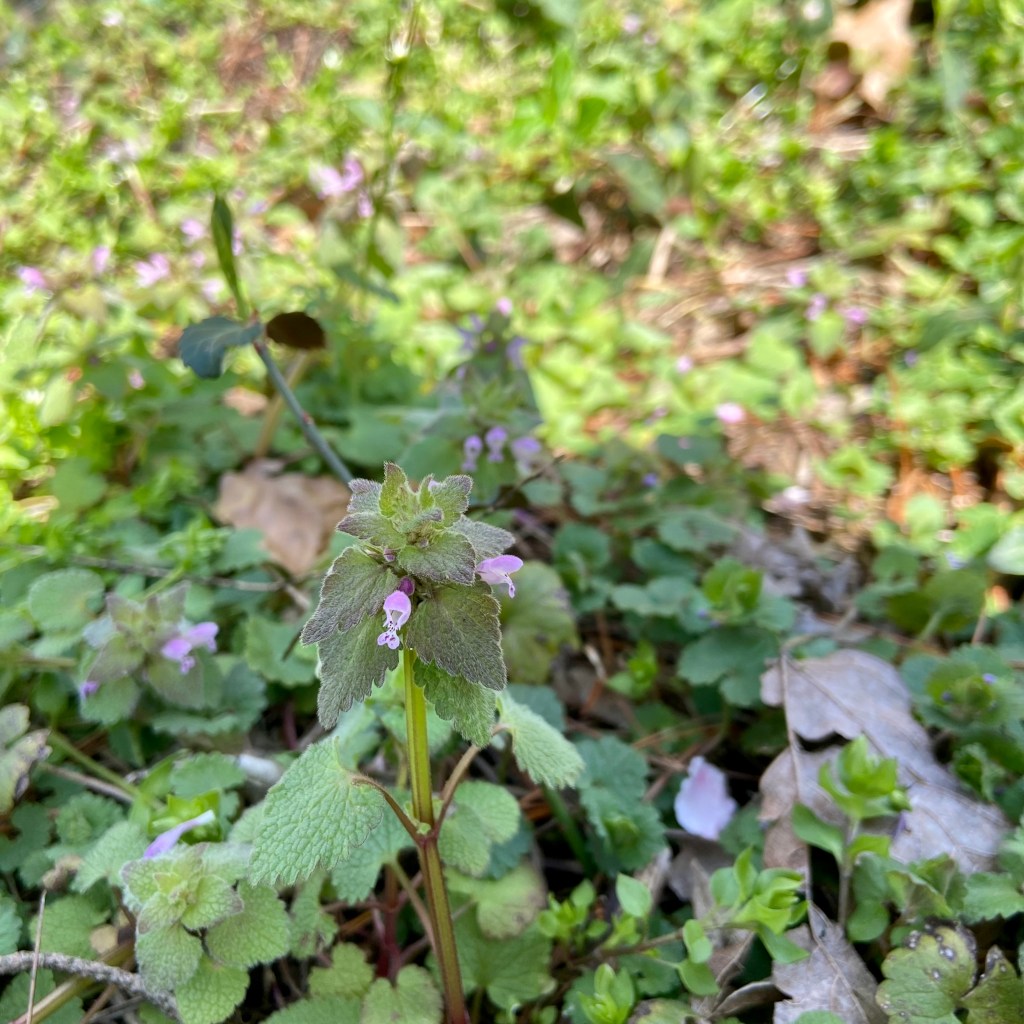
- Purple Dead Nettle. How often have you driven past an empty field and seen a thick carpet of light purple flowers? Those were likely Purple Dead Nettle, which tends to grow in dense clumps and patches. This edible green belongs to the mint family, contains more nutrients than spinach, and is justly considered a superfood. Amazing! Packed full of Vitamins A, C, K, iron, and fiber, this little plant also holds antioxidants that support a healthy gut and heart. It boosts the immune system and reduces allergy symptoms. I could go on and on, but I think it’s easy to see how this herb earned its place in my recipe.
- Organic Orange Peel. I include orange peel in this recipe for an added dose of Vitamin C and flavor.
- Organic Pure Unfiltered Honey. This tea does not have to be sweetened, but I prefer it with a swirl of honey. It brings out the other flavors, tones down the “green” taste, and comes with its own impressive array of benefits.
When you go to harvest your herbs, be sure to verify what you are picking before you put it in a tea. All of these plants are easy to identify with a little looking online or in an herb book. You also want to pay attention to where you harvest from. You don’t want to use anything that has been sprayed with pesticides, or herbicides or is growing near a busy road or pet areas. No dog tea for me, please!
Once you have successfully identified your plants the best time to pick them is in the morning before the sun gets hot. This is when they are the most potent. You can dry them if desired by hanging little bunches of them upside down somewhere dark, dry, and well-ventilated or you can use a drying rack or dehydrator for faster drying. Store the dried herbs in airtight glass containers, like a quart jar, away from direct sunlight and label them to avoid later confusion. Whenever possible, I prefer using fresh herbs, as drying reduces their potency.
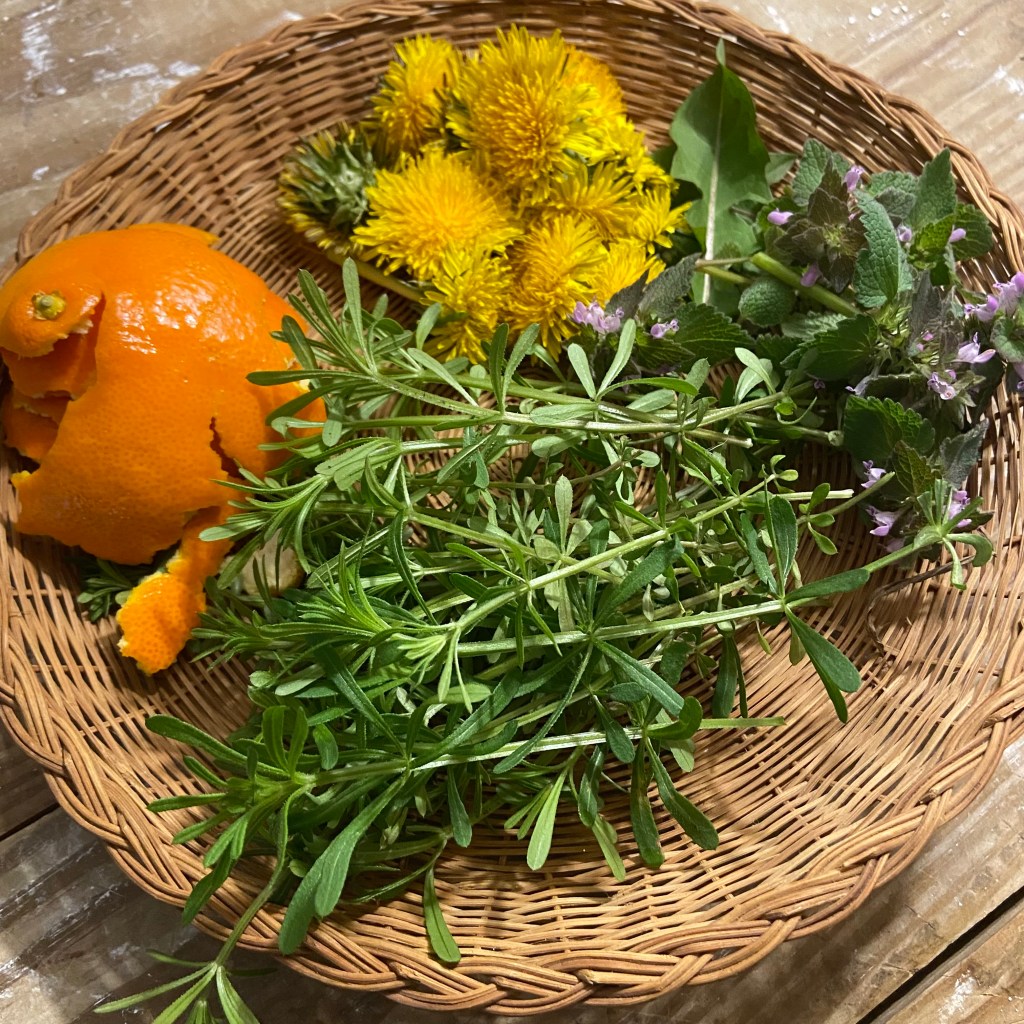
Brewing The Tea
I do not have amounts for this recipe as I always go by what feels/looks right. Something around equal parts of each herb. I do use significantly more dandelion flowers than leaves as the leaves can get bitter quickly. But some might like more and some less, so feel free to adjust. Experiment and find your favorite blend!
Brewing the tea is very easy. If you are using fresh ingredients, put water in a saucepan, add the orange peel, anywhere from a few strips up to the whole peel, and bring to a boil. Once it boils, remove from heat, add the herbs, cover, and let steep for 5 minutes. You can let it go longer if you like it stronger, but the longer it sits the more the bitter green taste comes out. Once it reaches the desired strength, strain it into your mug, stir in some honey, and enjoy a mug of delicious wildcrafted tea!
Wildcrafted tea is a simple yet meaningful way to bring nature into your daily routine. Not only does it offer delicious flavors and health benefits, but it also fosters a deeper appreciation for the plants growing around you. Try this blend or experiment with your own combinations, and let me know what you discover!
Happy foraging and sipping!
 Bringing Life