Why Make Yogurt at Home?
Homemade yogurt isn’t just about saving money—it’s about freshness, control, and nutrition. When you make it yourself:
- Cost savings: A single gallon of milk can yield 8 cups of yogurt for less than store-bought tubs.
- Customization: You choose the milk type (whole, skim, goat, raw, organic, etc.), thickness (Greek-style or regular), and flavors.
- Fewer additives: No thickeners, stabilizers, or hidden sugars—just milk and live cultures.
- Sustainability: Making yogurt at home cuts down on packaging waste.
How Yogurt Works: The Science Behind It
Yogurt is created by fermenting milk with beneficial bacteria. The two classic starter strains are:
- Lactobacillus bulgaricus
- Streptococcus thermophilus
Together, they convert lactose (milk sugar) into lactic acid. This acid lowers the pH, thickening the milk proteins and giving yogurt its tangy flavor. Many store-bought starters also include additional strains like Lactobacillus acidophilus or Bifidobacterium lactis, which may aid digestion.
The fermentation process not only preserves milk but also boosts probiotic content, supporting gut health.
Ingredients
- 1 quart (4 cups) milk – whole milk makes creamier yogurt, but any type works
- 2 tablespoons plain yogurt with live, active cultures (store-bought or from a previous batch)
Equipment
- Saucepan
- Thermometer (optional but helpful)
- Whisk
- Clean glass jar or container with lid
- Towel or blanket for insulation
Step-by-Step Instructions
- Heat the milk
Pour milk into a saucepan and gently heat to 180°F (82°C). This denatures proteins so the yogurt sets thicker. - Cool the milk
Remove from heat and let it cool to 110°F–115°F (43–46°C). This is the ideal range for the cultures. - Add starter
Whisk 2 tablespoons of yogurt into a small bowl with a bit of the cooled milk. Then stir this mixture back into the pot. - Incubate
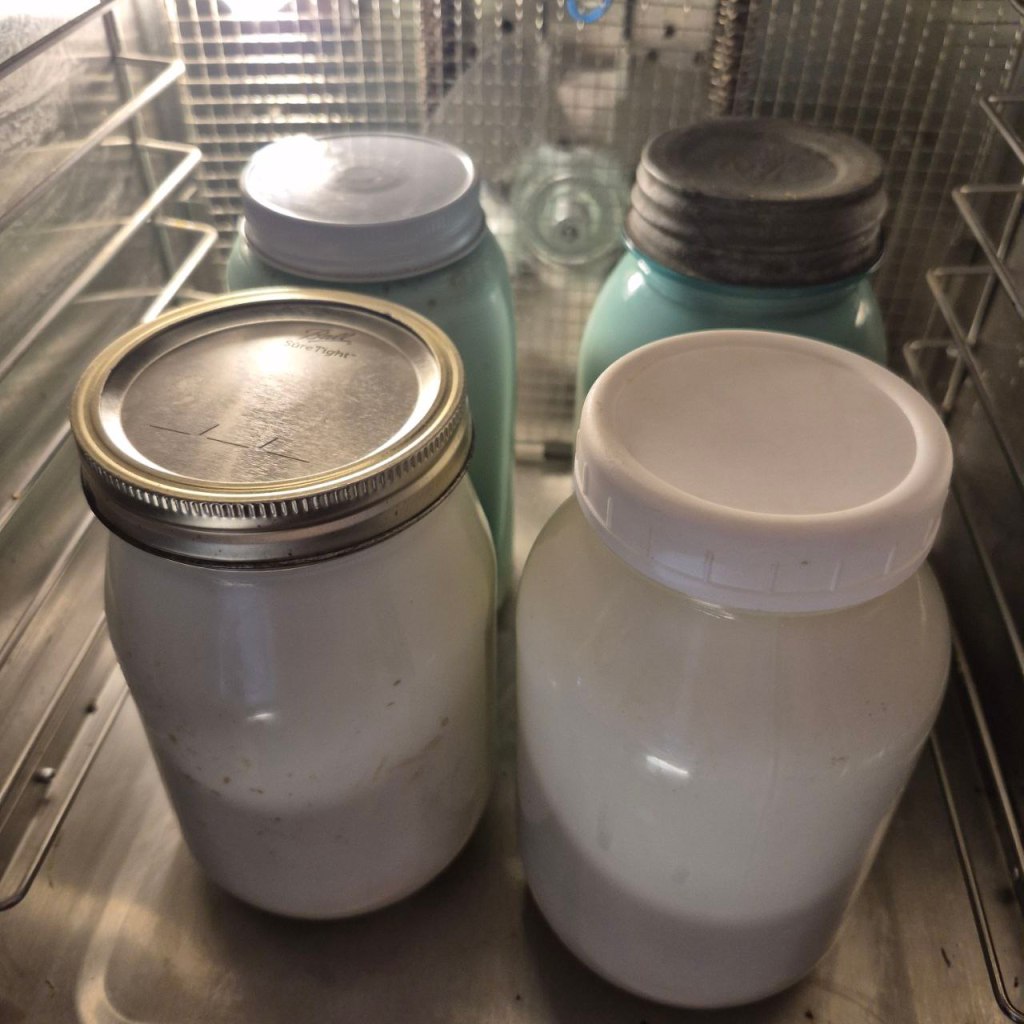
Pour into a clean jar, cover, and keep warm (around 110°F) for 6–12 hours.- For thinner, milder yogurt: check at 6 hours.
- For thicker, tangier yogurt: let it go longer.
You can wrap the jar in a towel, place it in an oven with the light on, use an Instant Pot’s yogurt setting, or a dehydrator set to 110°F.
- Chill and enjoy
Once it’s set, refrigerate for at least 2 hours. The yogurt will thicken further as it cools.
Variations
- Greek Yogurt: Strain finished yogurt through a cheesecloth or coffee filter for 2–4 hours to remove whey.
- Flavored Yogurt: Stir in honey, fruit purée, vanilla, or jam just before eating.
Storage
Homemade yogurt keeps for about 2 weeks in the refrigerator. Save 2–3 tablespoons from each batch to use as the starter for the next one.
If you would like a video on the process, check out this one on our YouTube channel!
 Bringing Life
Leave a comment